Fixed-price vs. time-and-materials contracts
With a fixed price, the contractor carries the risk of surprises and charges you for it. With time-and-materials, you carry the risk and pay what the work actually costs. Which one fits depends on how much of the job anyone can see before it starts.
ModelQuoter EditorialPublished Feb 18, 2026Reviewed September 2026
Applies to: US and Canada. The contract types work the same way on both sides of the border. Only the consumer protection rules around them differ.
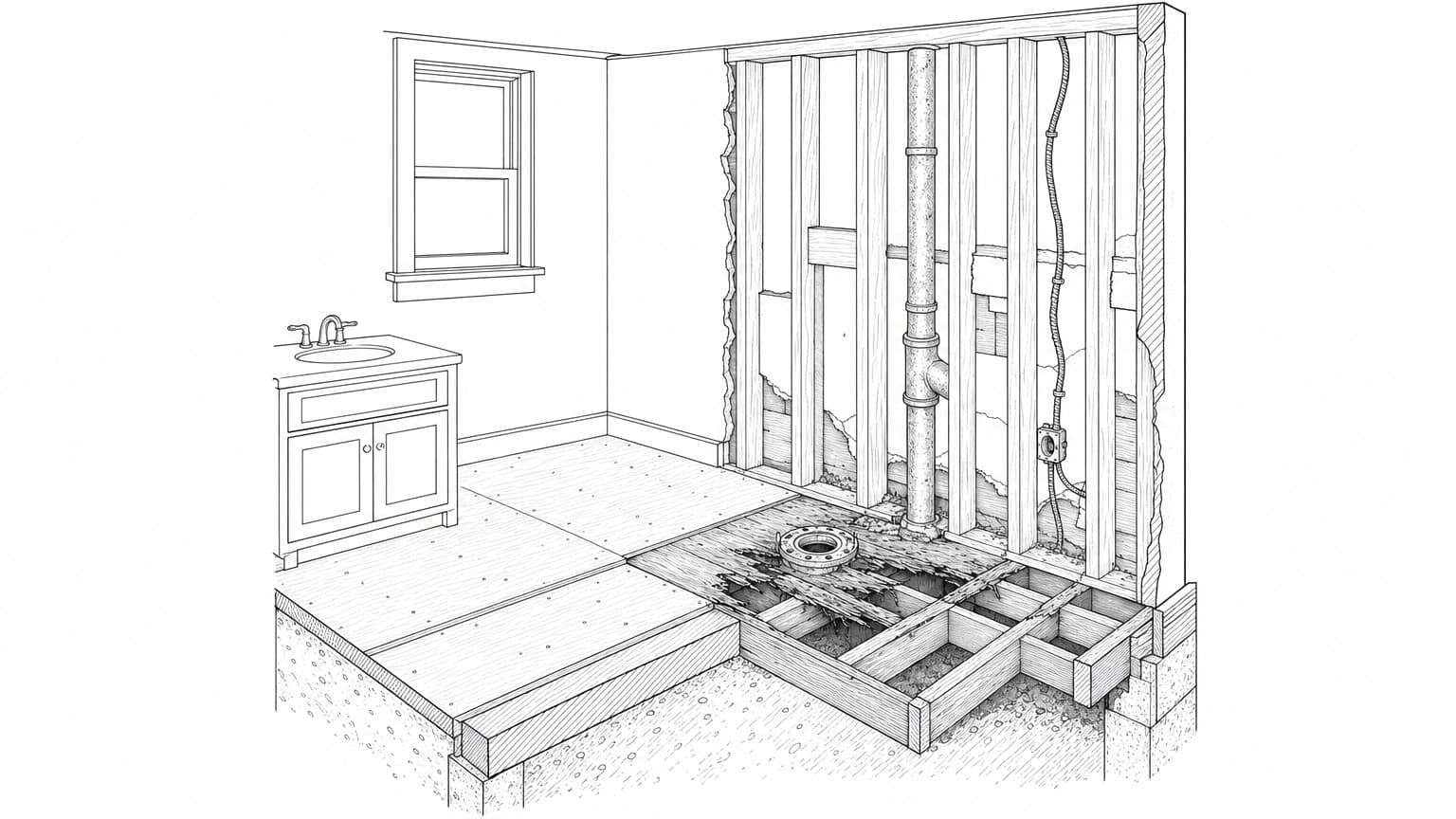
- The part everyone can see and price. A fixed price works well for this.
- Old galvanized pipe that nobody could price until the wall came off.
- Rotted subfloor under the toilet, another surprise.
- Old wiring that may need replacing once it’s exposed.
The three common contract types
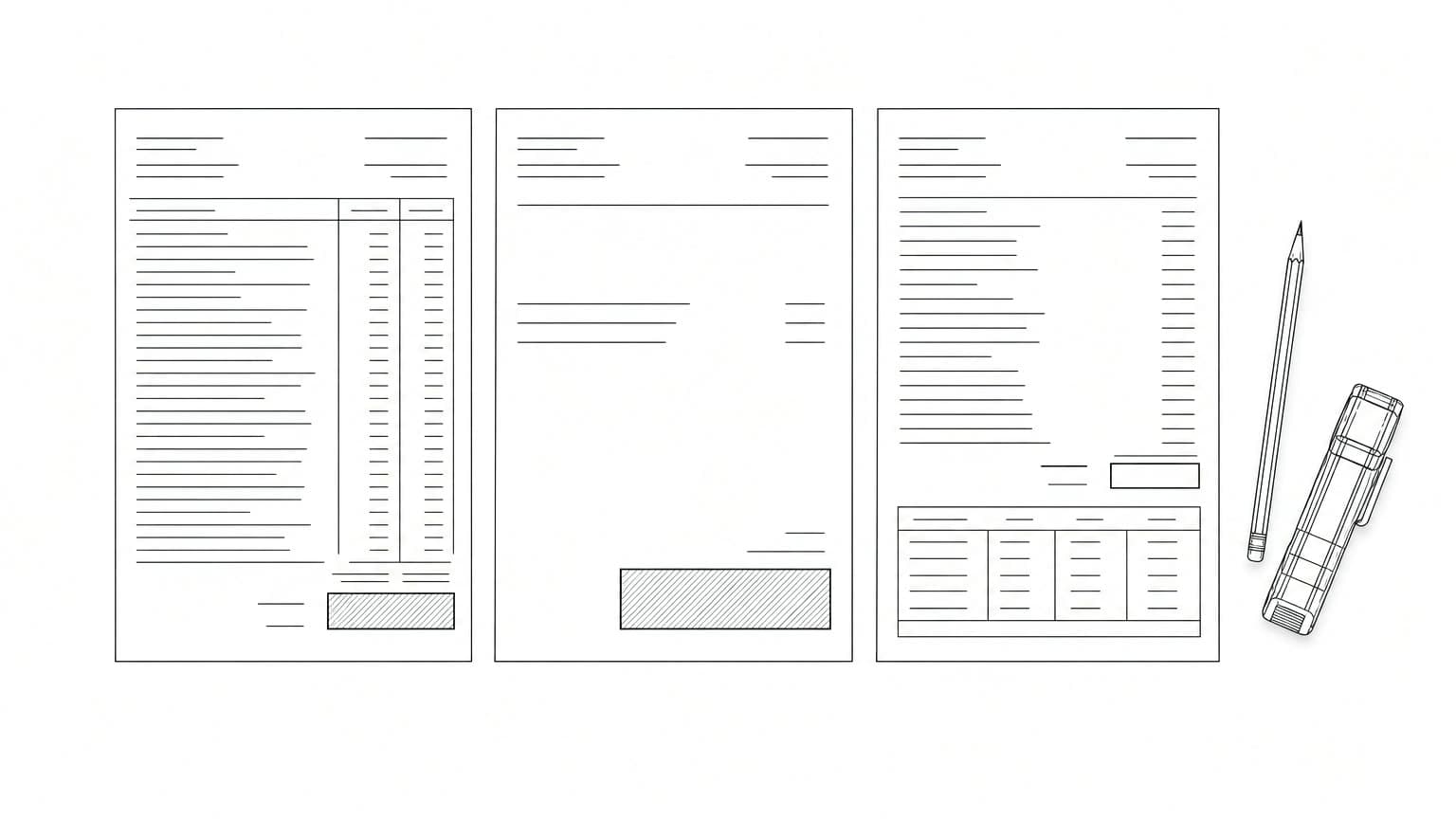
Every renovation contract decides who pays for surprises. With a fixed price, the contractor does, so they build a contingency into the number whether or not a surprise ever shows up. With an open contract, you do. You pay what the work actually costs, which is less on a clean job and more on a messy one.
| Contract type | Who carries the risk | Good for | Watch for |
|---|---|---|---|
| Fixed price (stipulated sum) | Contractor | Well-defined work like a deck, a fence or a like-for-like bathroom | A contingency built into the price; pressure to cut corners if the job runs long |
| Guaranteed maximum price (GMP) | Shared, up to a ceiling | Bigger projects with some unknowns | Who keeps the savings if the job comes in under the ceiling; agree on this up front |
| Time-and-materials (T&M) | You | Restoration, hidden conditions, a scope that will change | No natural stopping point unless there's a cap |
Under a guaranteed maximum price, you pay the actual cost up to a ceiling the contractor can't go over. If the job comes in under the ceiling, the contract should say how the savings are split. Otherwise the contractor will assume they're theirs.
When to choose a fixed price
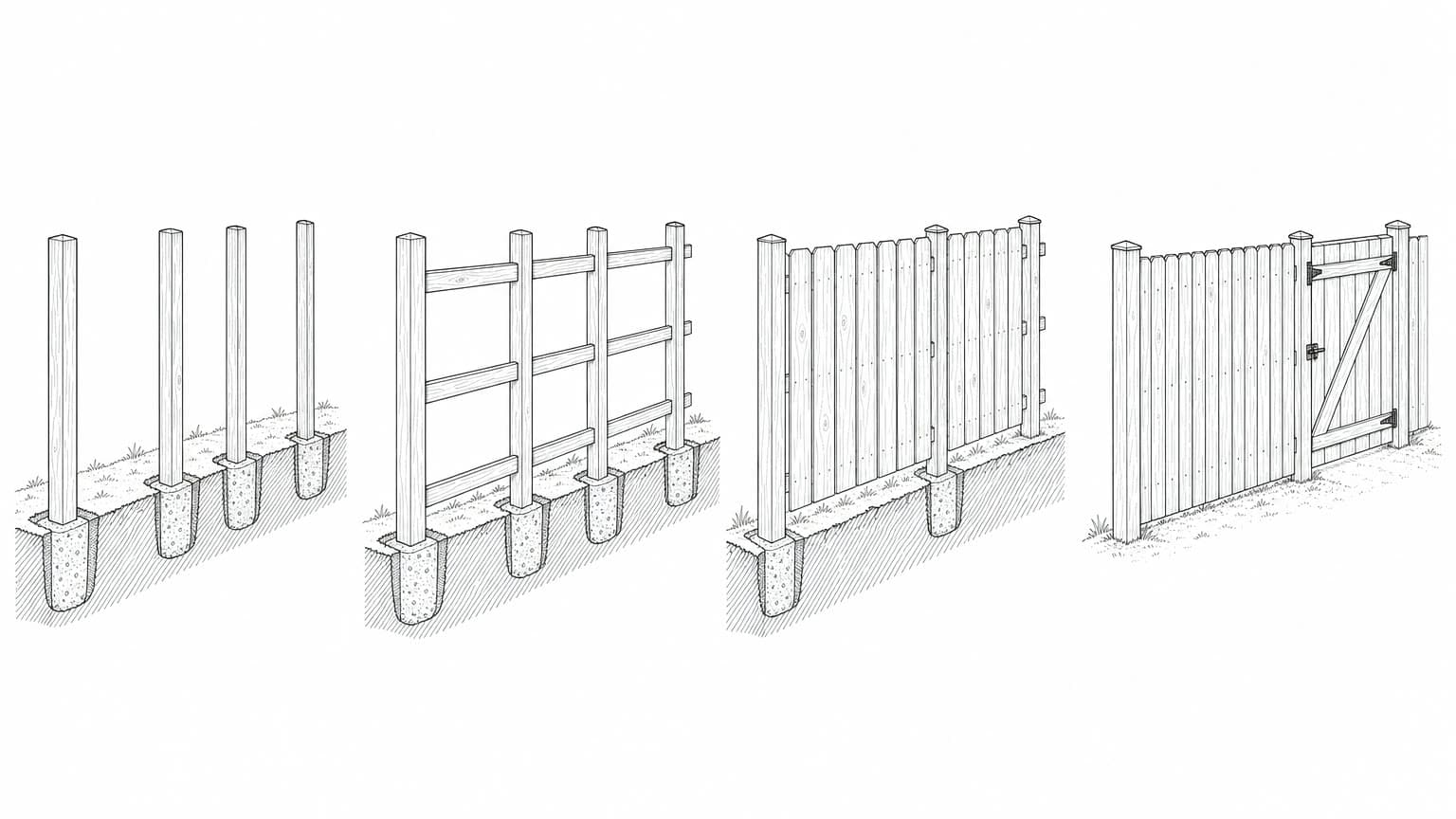
Pick a fixed price when the work can be fully described before it starts. New decks, fences, patios, and a bathroom where the fixtures stay in the same places are all good fits. You'll pay a premium for the certainty. On a clean job, the contingency you paid for ends up as the contractor's profit, and that's the trade you're making.
The bigger risk with a fixed price is a bid that's too low. A contractor who realizes in week two that they underbid will spend the rest of the job trying to get back to break-even on your house. You'll usually see it in these ways:
| What you notice | What's often behind it |
|---|---|
| The crew stops showing up every day | Your job is now the least profitable one they're running |
| A material gets swapped for "an equivalent" | The product you specified cost more than the bid allowed for |
| Change orders for work that was obviously part of the job | Trying to recover margin lost at bid time |
| Pressure to release a payment early | Cash flow problems, not progress |
When to choose time-and-materials
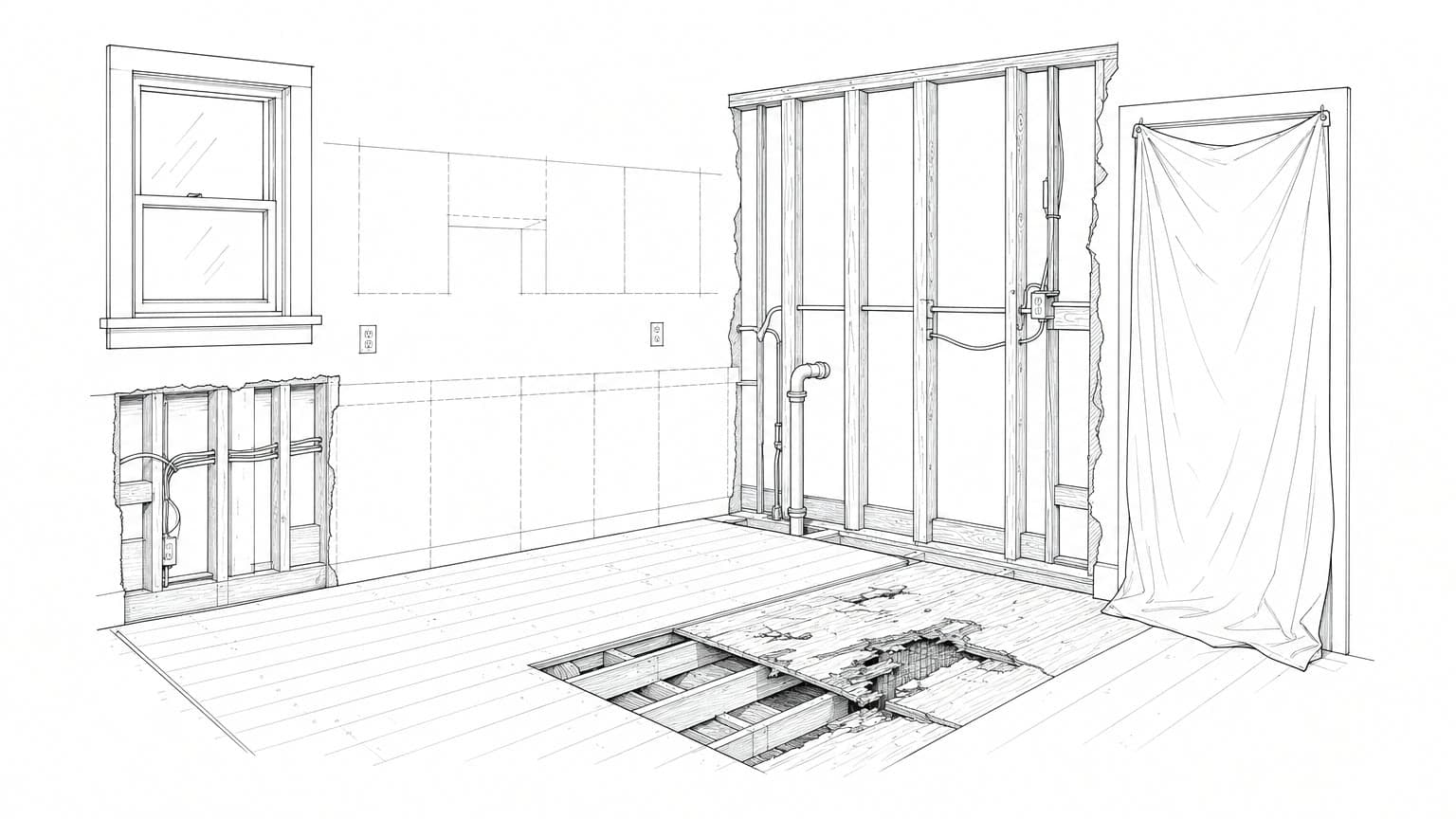
Time-and-materials makes sense when nobody can see what's behind the wall: an old house restoration, structural repairs, water damage, or any job where the first day of demolition changes the plan. Demanding a fixed price for that kind of work just gets you a large contingency and an argument later.
It works the other way too. If a contractor wants T&M for a simple, well-defined job, they're asking you to take on their estimating risk. Push for a fixed price.
What a T&M contract has to spell out
- Hourly rates for each role, such as lead carpenter, apprentice and labourer, instead of one blended crew rate.
- The markup on materials, as a percentage. Ten to twenty percent is common, and you should know the number before work starts.
- What counts as billable time. Travel, trips for materials and dump runs are all legitimate, and you should agree on them before they show up on an invoice.
- Receipts for materials with every invoice.
- How often you'll be invoiced. Weekly is best, so you see the total as it grows.
- The not-to-exceed amount, and what happens when the job reaches it.
- An approval rule. Any single unplanned item over an agreed amount needs your written OK before the work is done. Budgets on T&M jobs rarely blow up from one big decision. They drift through dozens of small ones nobody wrote down.
Mixing the two
Plenty of good renovations use both. The known work gets a fixed price, and the one uncertain part gets time-and-materials with a cap, such as "fixed price for the kitchen, time-and-materials for whatever we find under the floor, capped at $6,000." You get a firm budget where one is possible and fair pricing where it isn't.
One more thing to settle early: whether you can see the contractor's costs. On T&M and GMP contracts, open books are part of the deal. On a fixed price you're paying for a finished result, and most contractors will decline to show their costs. That's reasonable. What isn't reasonable is a contractor who won't itemize the scope.
Whichever contract you sign, it should rest on a clear scope. Model your project to get an itemized scope and a fair estimate before you talk price.
Model your project