
Before you call a contractor.
What each job costs, when you need a permit, and what a good quote includes. Written from our 2026 price book and the building code.
Pick your project
 Driveway
640 sq ft, old asphalt out
$12,100–16,400
Guide: Asphalt vs. concrete vs. paver driveways
Calculator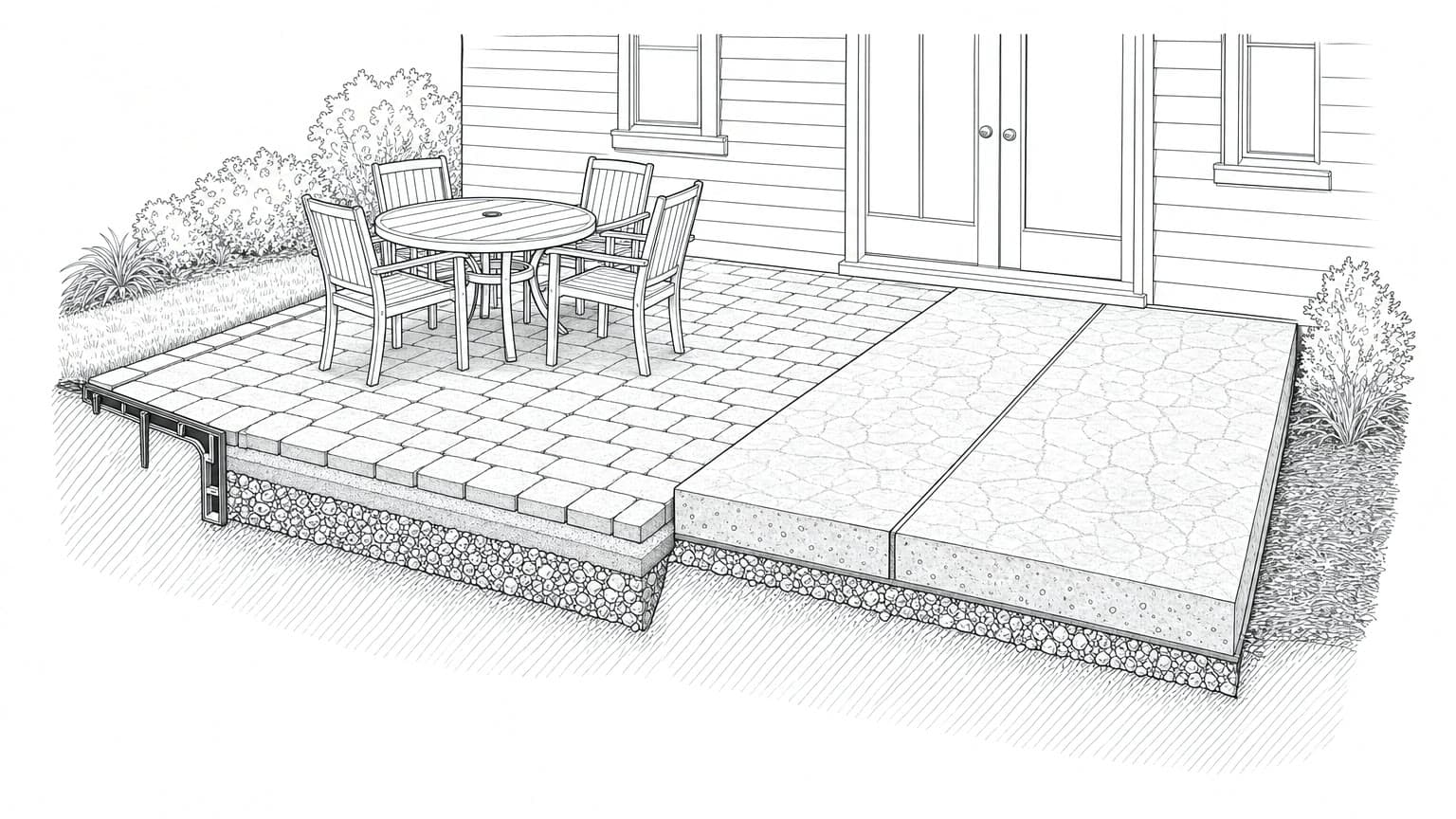
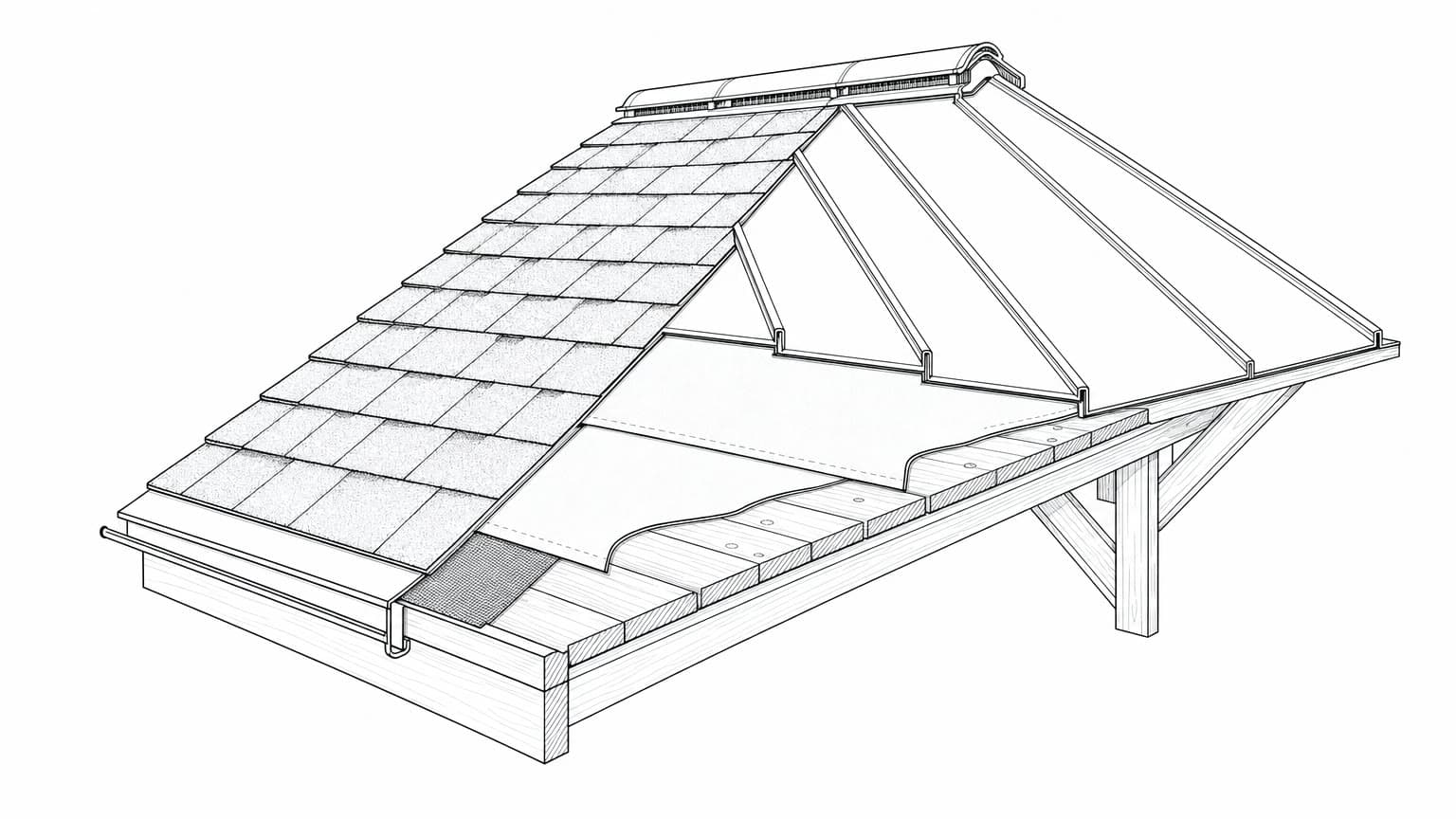 Roof
18 squares, one layer off
$8,600–11,640
Guide: Asphalt shingles vs. metal roofing: which costs less over time?
Calculator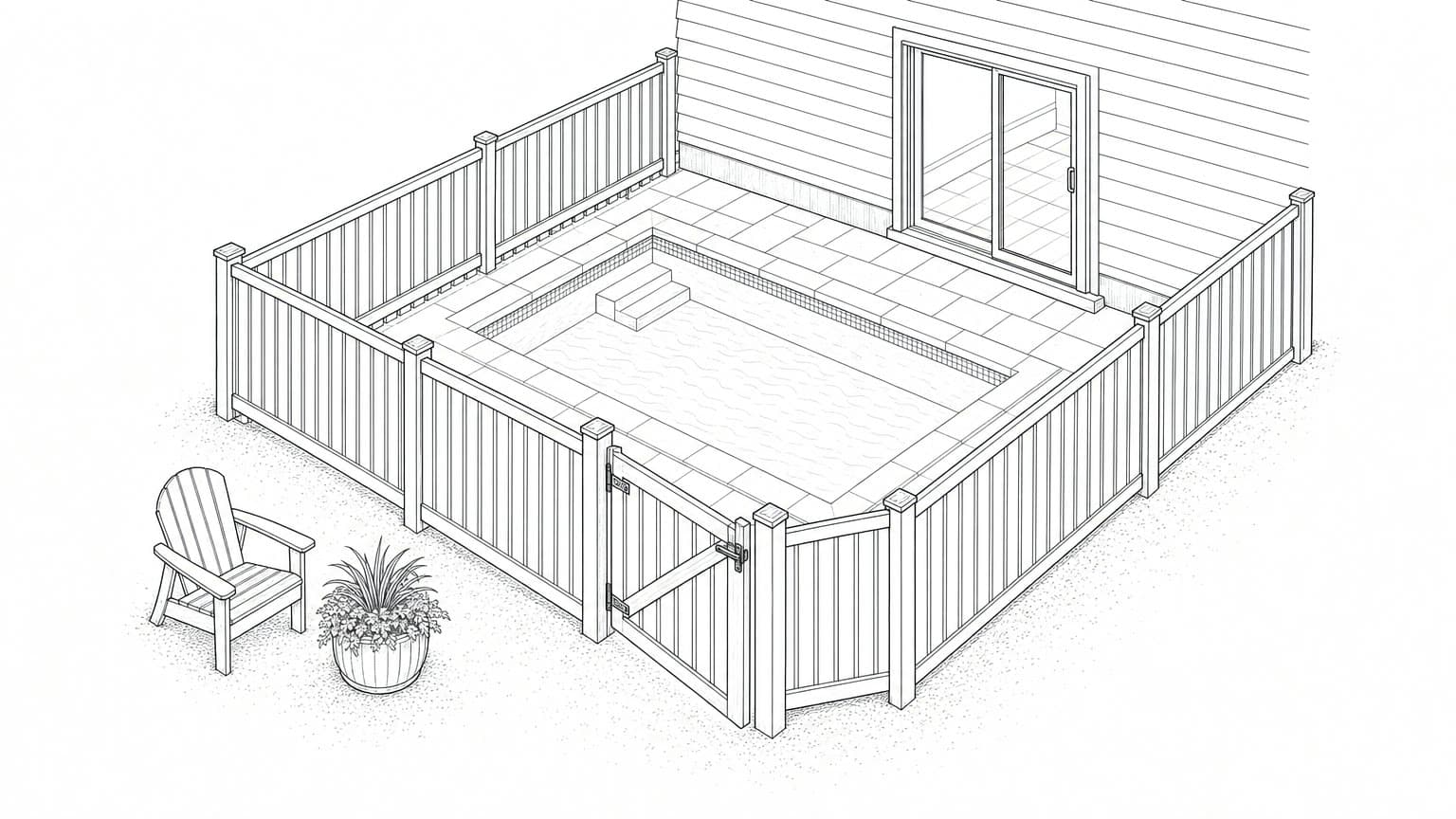 Pool
Medium, heater and cover
$55,730–92,900
Guide: Pool fence rules: what the inspector checks before you fill
Calculator
Typical installed ranges before tax, at 2026 Greater Toronto rates.
New to renovating? Start here.
- When do you need a building permit?Painting and new flooring almost never need a permit.
- Questions to ask a contractor before you hire themEvery contractor will say yes when you ask about a licence and insurance.
- How to compare contractor bidsThree bids for the same job can come in thousands of dollars apart, usually because each contractor priced a slightly different job.
Kitchens and bathrooms
Kitchen budgets and island layouts, bathroom waterproofing and ventilation, and the plumbing rules behind both.
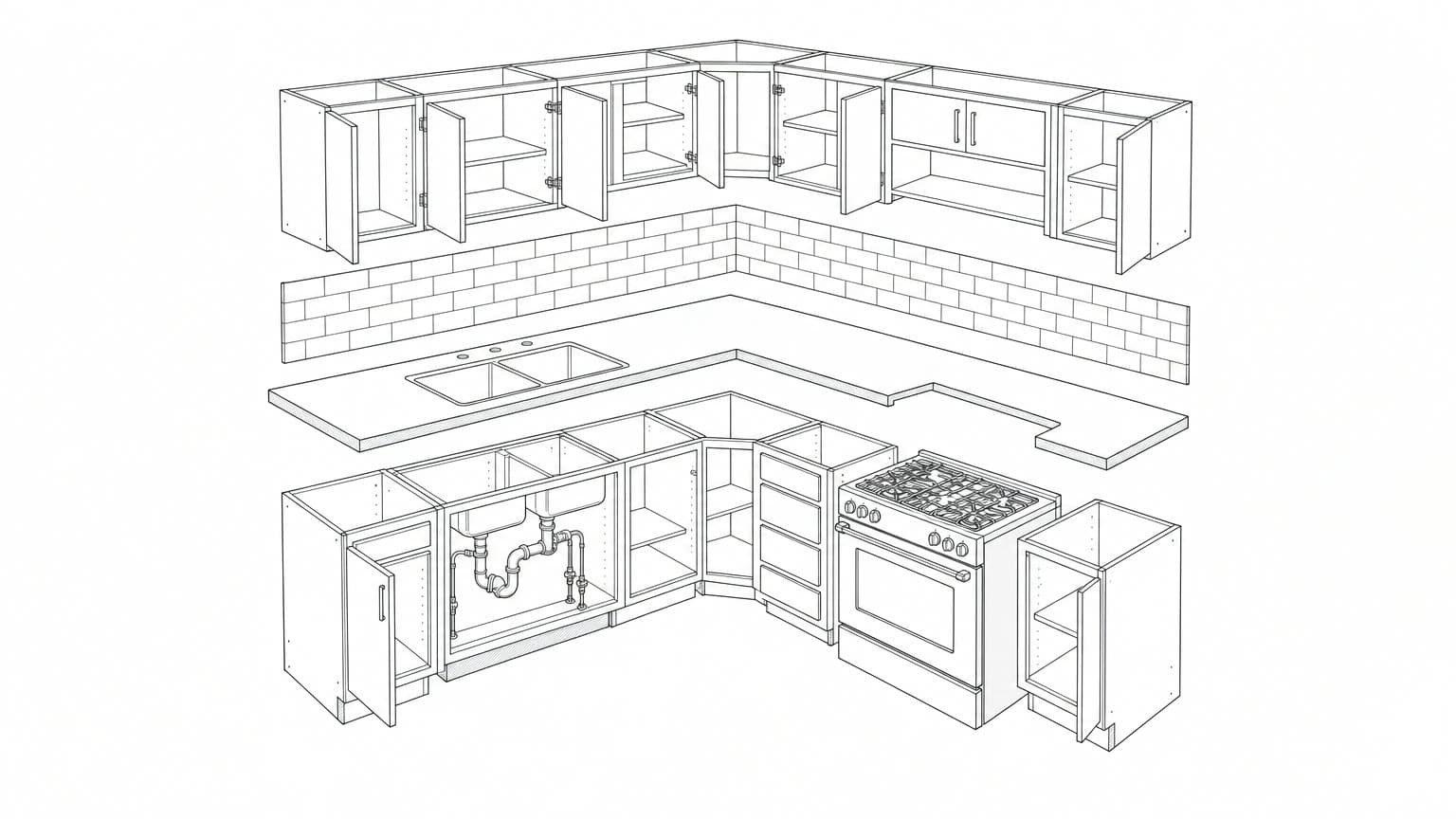 Where the money goes in a kitchen renovationCabinets and labour take close to 60% of a kitchen budget before you've picked a single tile.
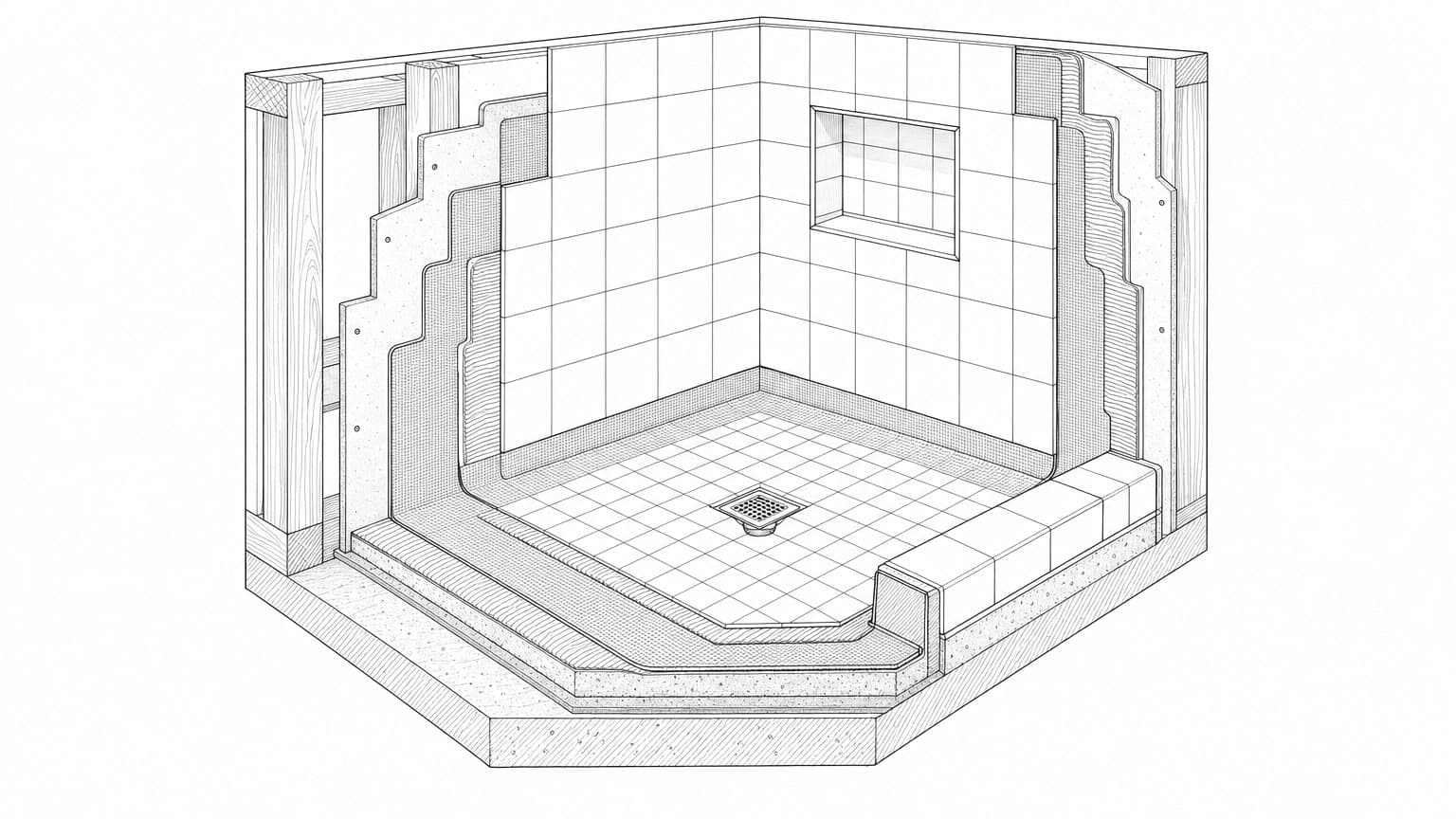 Bathroom remodeling: waterproofing, layout and costIn a shower, the waterproof membrane behind the tile keeps water out of your walls and floor.
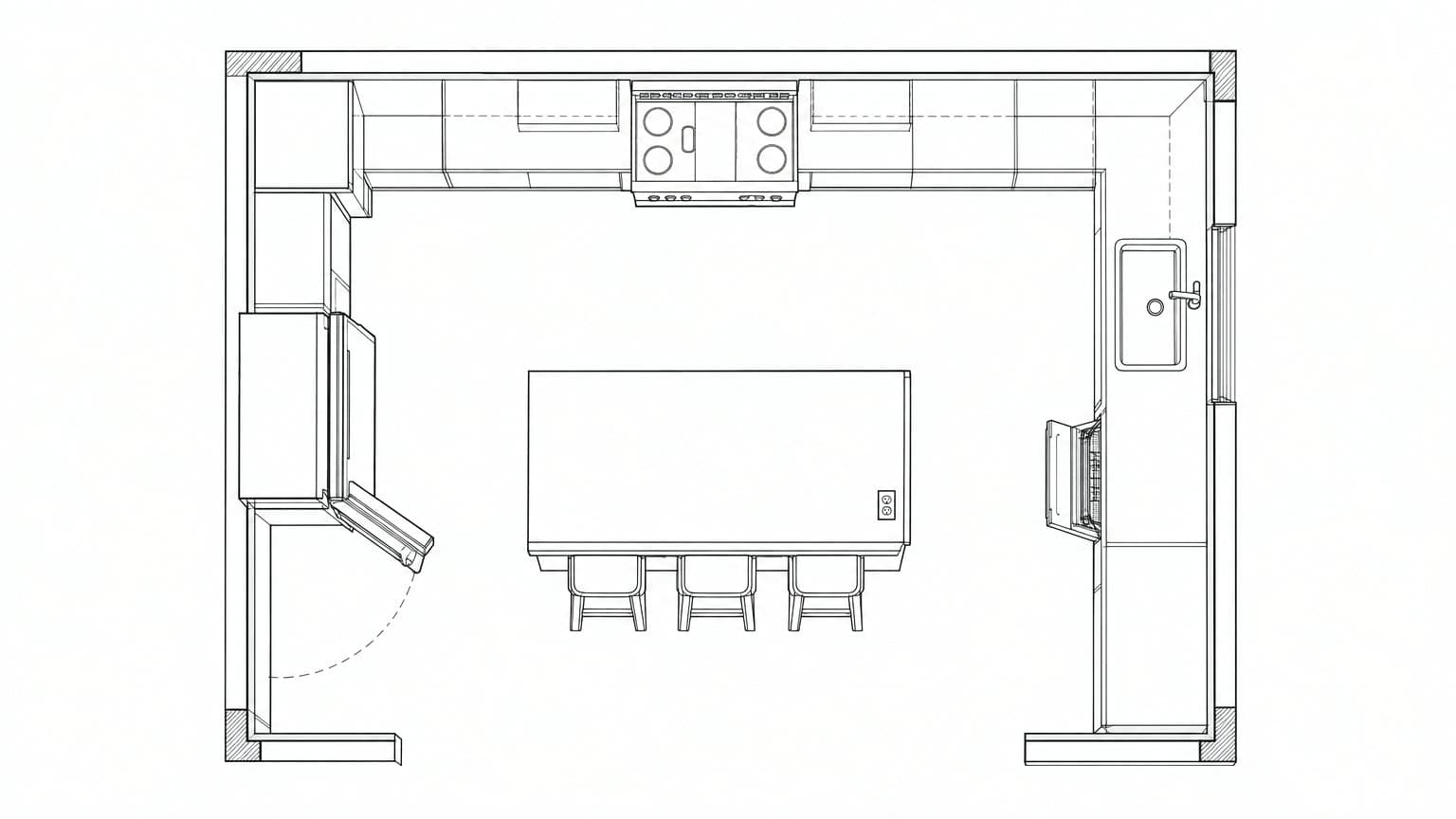 Kitchen island clearances: how much space you needPlan on 42 inches of walkway on every side of an island, 48 if two people cook, and 12 inches of overhang for seating.
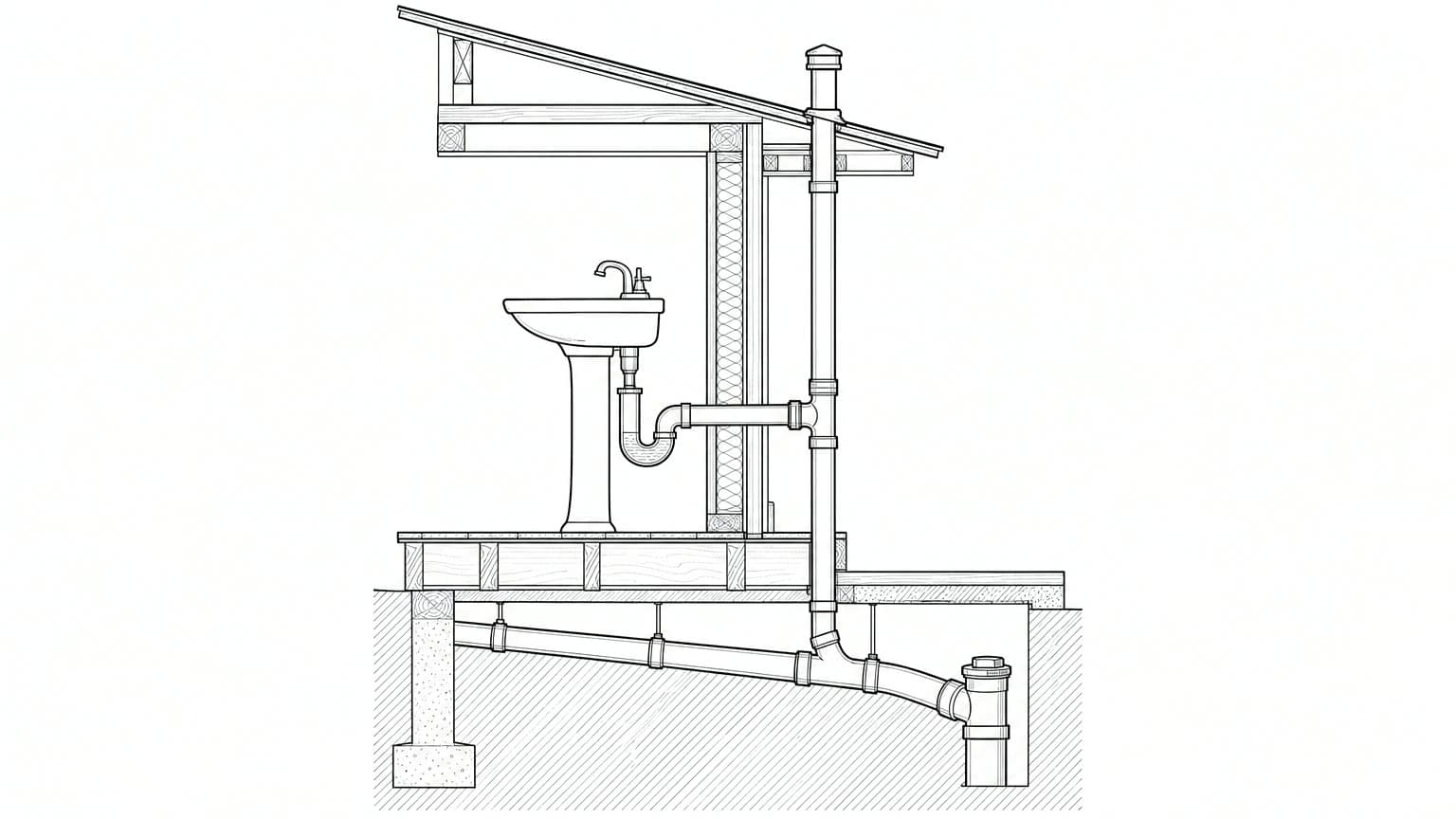 Plumbing traps, vents and drain slope: what inspectors checkThe trap under every sink holds a few inches of water that blocks sewer gas, and the vent keeps that water from being siphoned out.
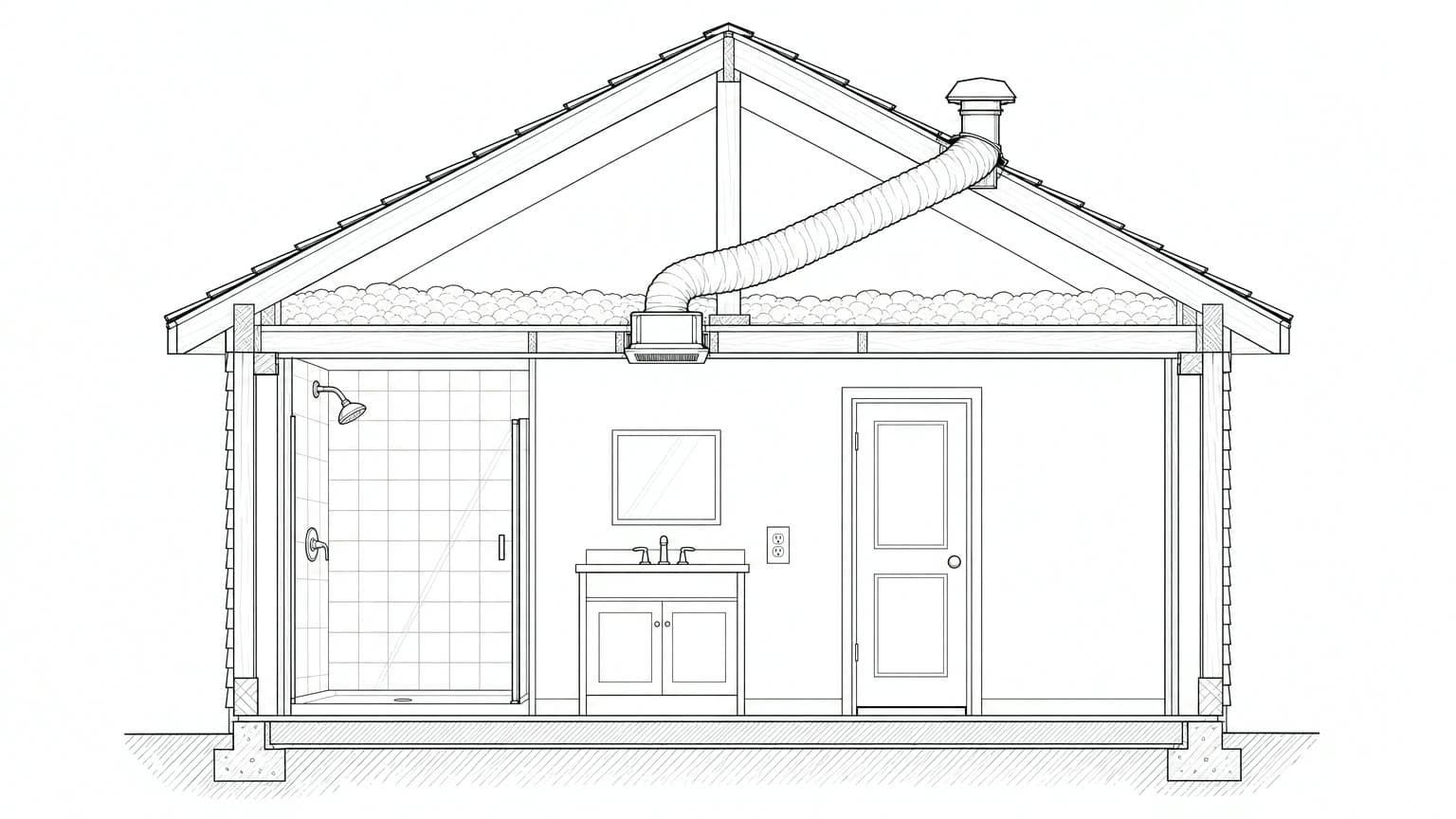 How to size and vent a bathroom exhaust fanFigure one CFM of fan per square foot of floor, with 50 CFM as the minimum, and run the duct all the way outside.
Basements and interiors
Finishing a basement or adding a legal suite, choosing flooring, and structural work like opening a load-bearing wall or building an addition.
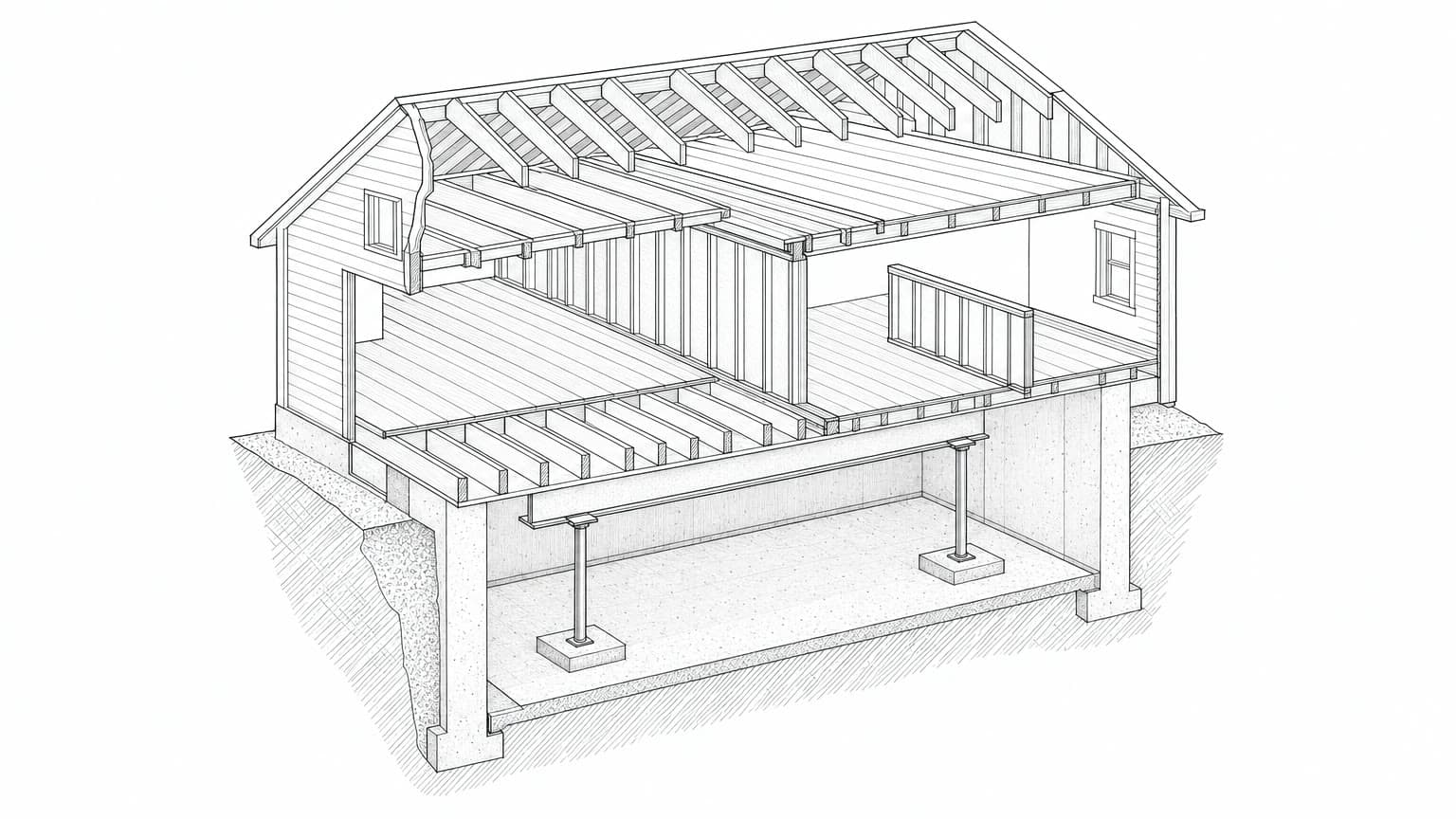 How to tell if a wall is load-bearingYou can usually tell what a wall is doing by looking in the basement and the attic, without opening anything up.
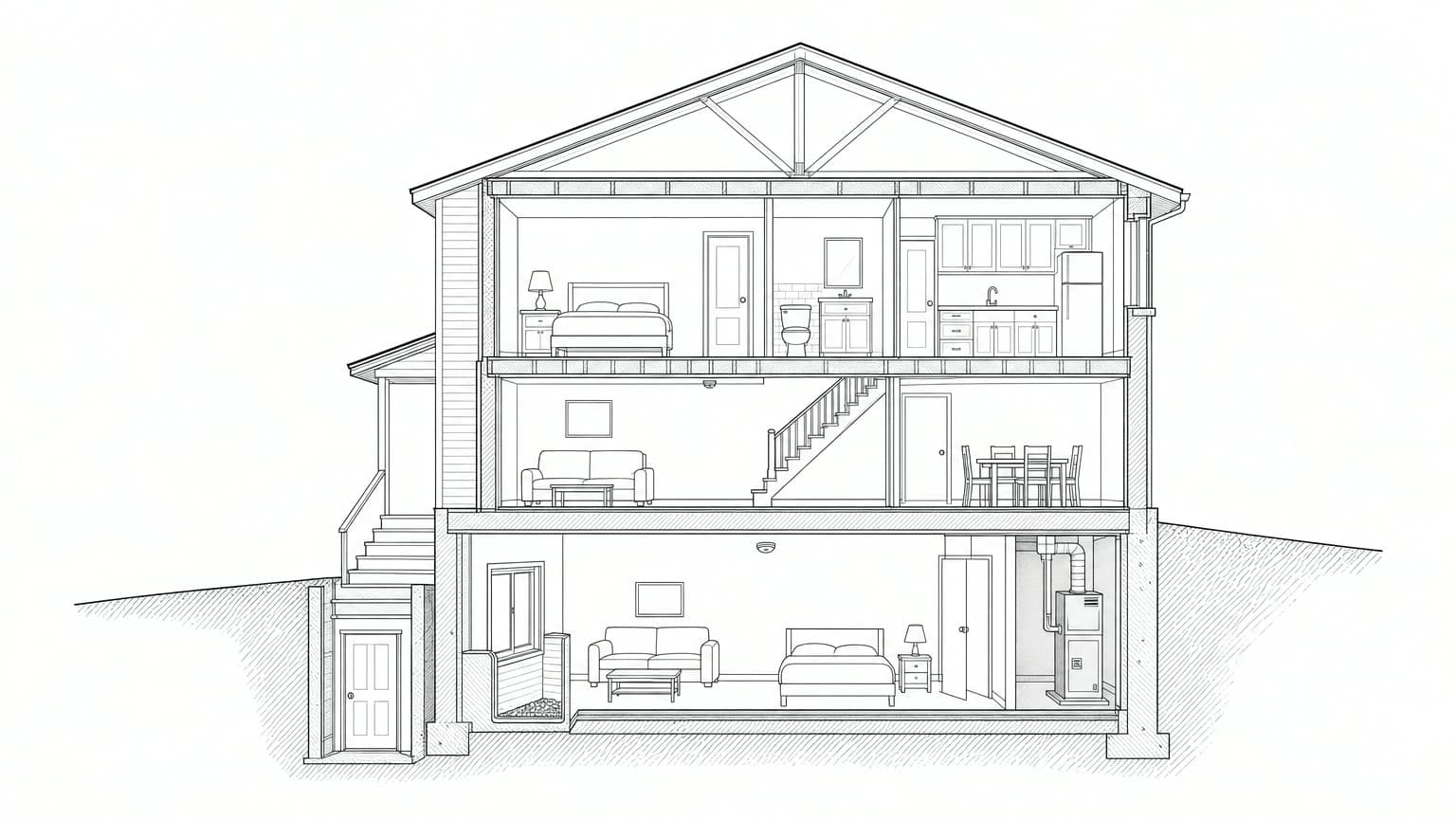 What makes a secondary suite legalA second unit needs two separate approvals from two departments: zoning, which decides whether your lot can have one, and the building code, which decides whether the unit you build is legal.
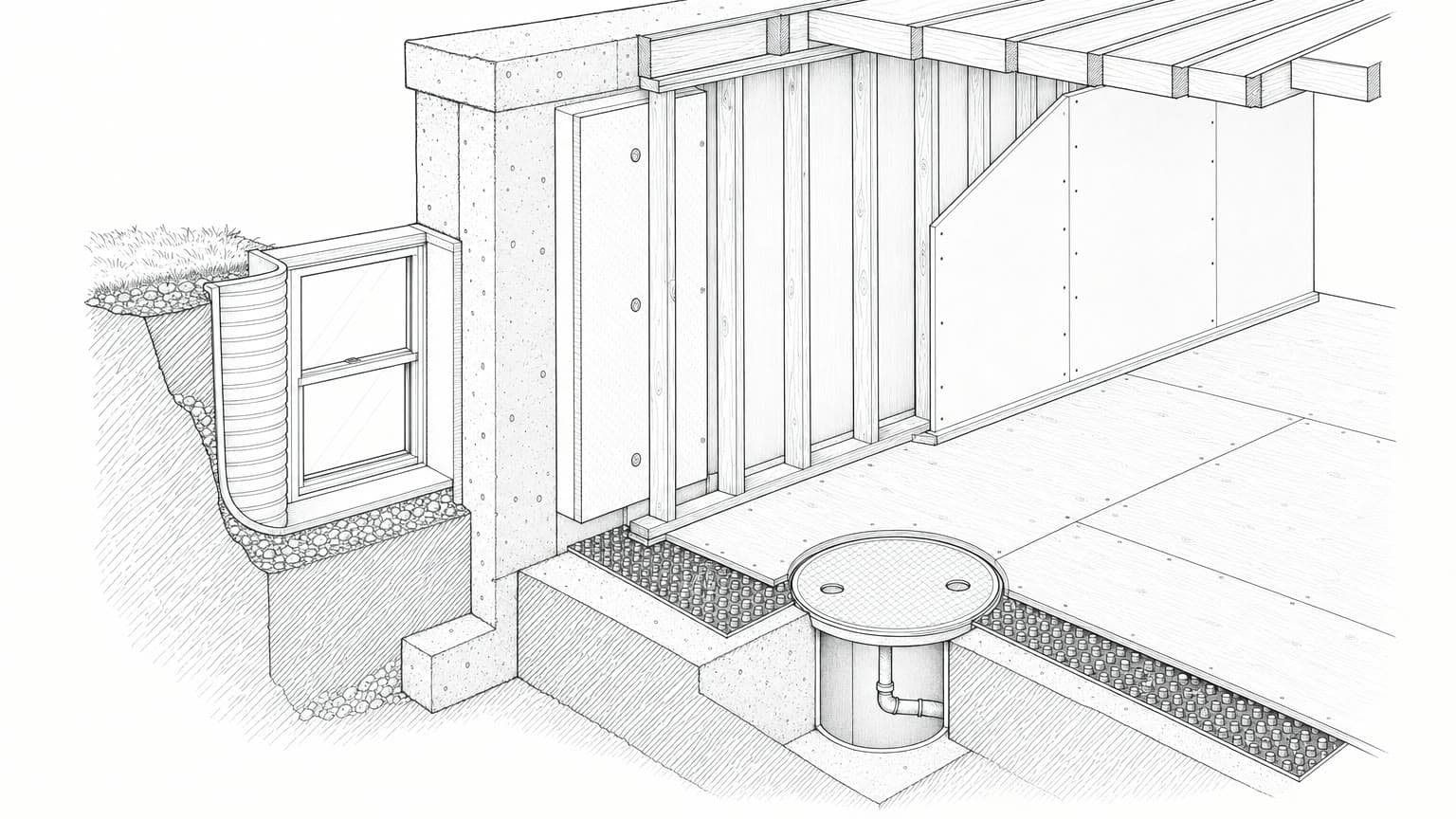 Finishing a basement: what to check before you frameMost basement problems are settled before framing starts.
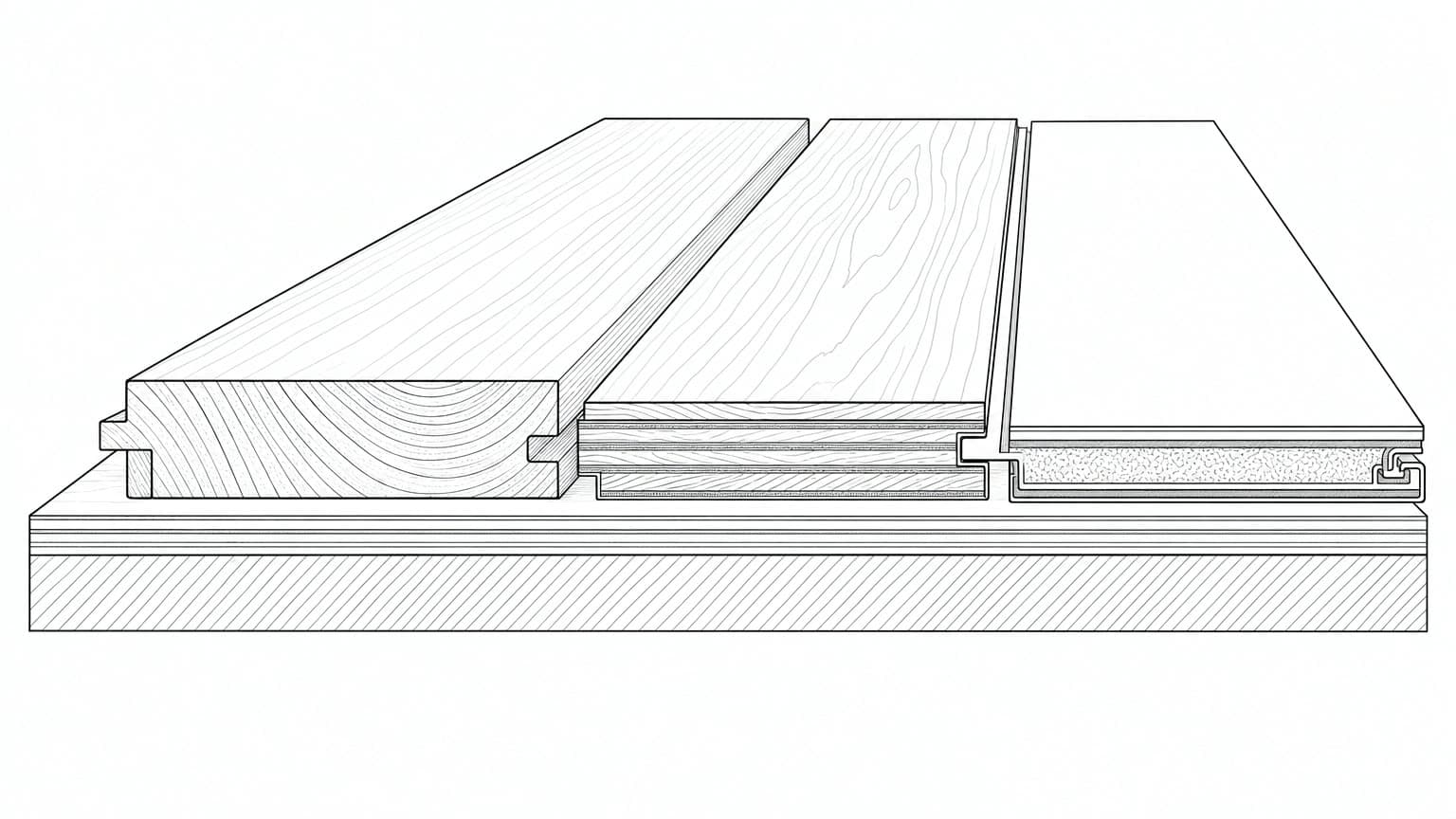 Hardwood vs. engineered vs. vinyl plank flooringHardwood, engineered wood and vinyl plank differ most in how they handle moisture and whether you can refinish them.
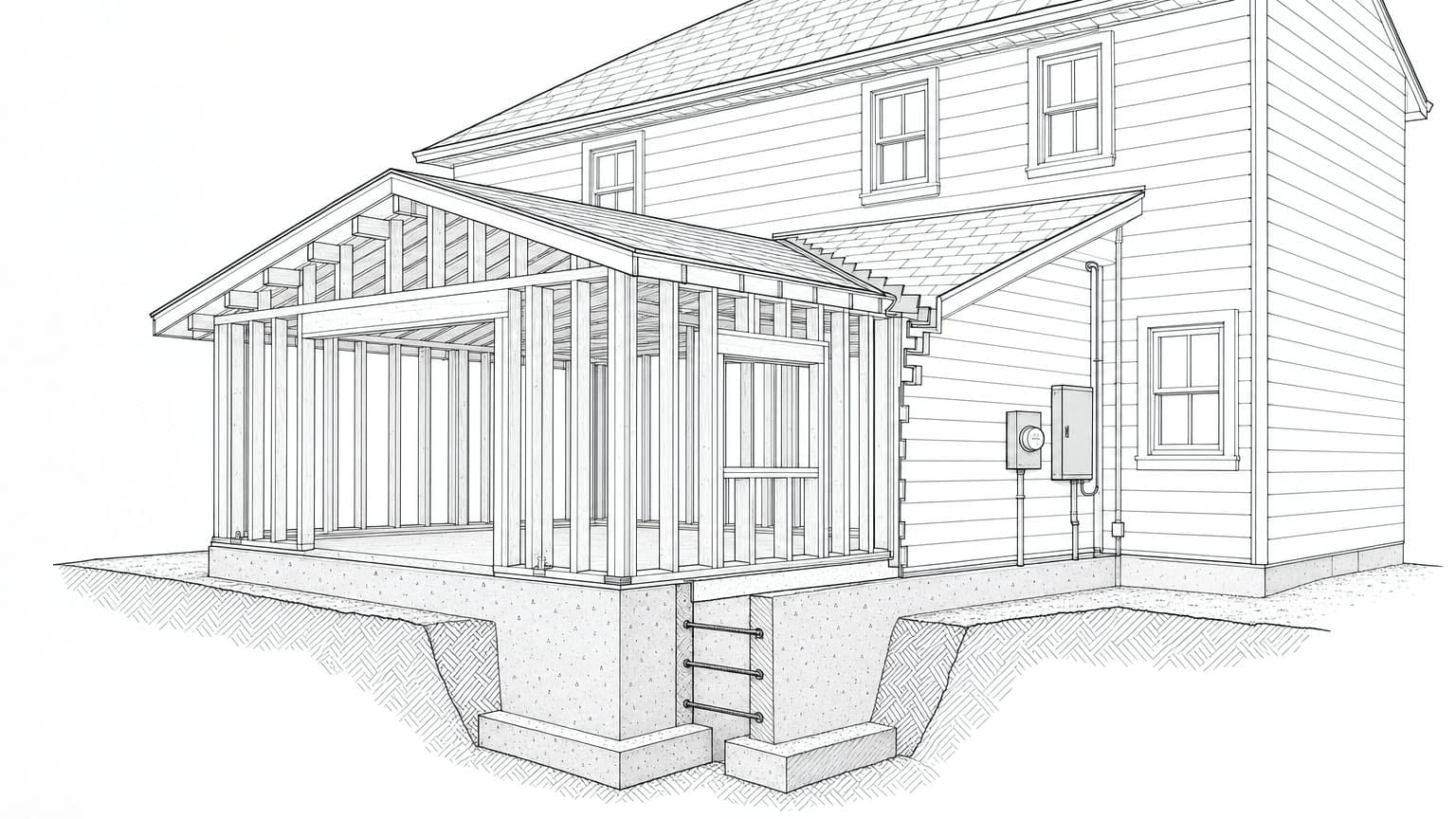 Planning a home addition: foundation, roof and servicesAn addition is a small house built against the one you have.
Roofs, windows and energy
Replacing a roof or windows, stopping ice dams at the attic, and the electrical upgrades a heat pump can need.
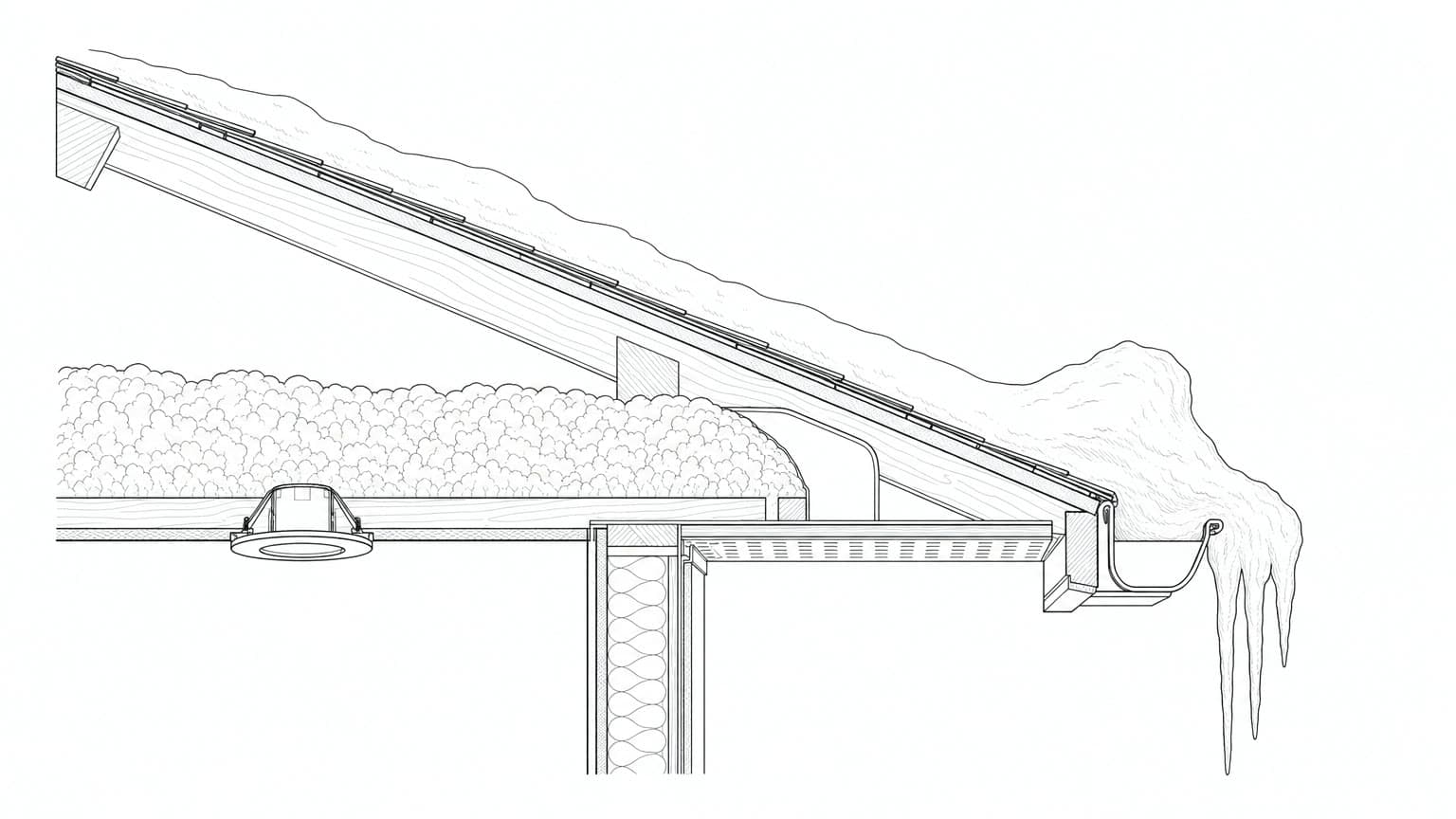 What causes ice dams and how to stop themIce at the edge of your roof comes from warm air leaking into the attic.
- Is triple-pane glass worth it?Going from single to double pane makes a huge difference.
- Asphalt shingles vs. metal roofing: which costs less over time?Architectural shingles cost about half as much as standing-seam metal to install, but you'll likely replace them once or twice in the life of a metal roof.
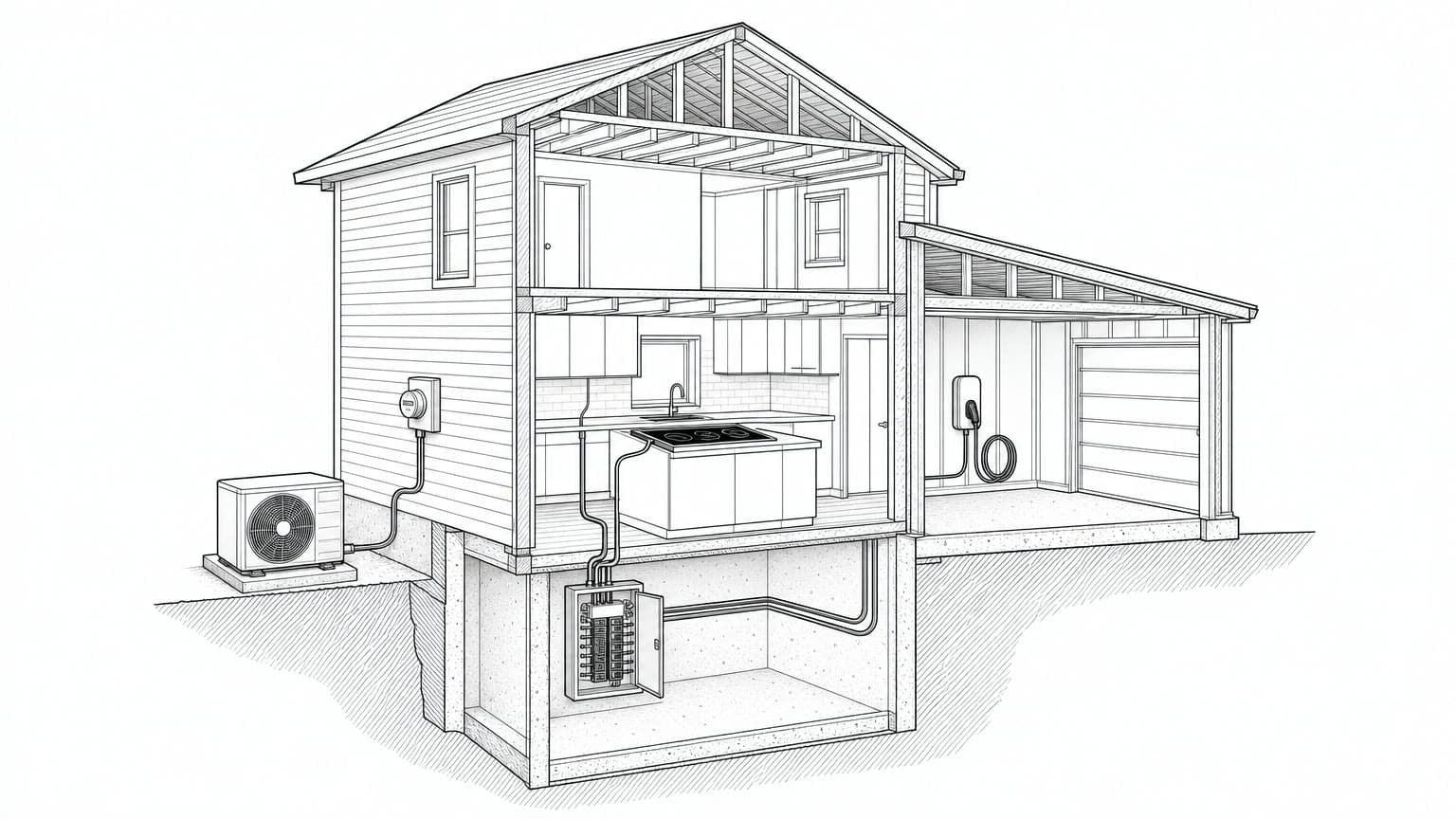 Do you need a panel upgrade for a heat pump?Maybe not for the heat pump alone.
Outdoor living
Decks, patios, driveways and fences, plus the property-line and pool-fence rules that come with them.
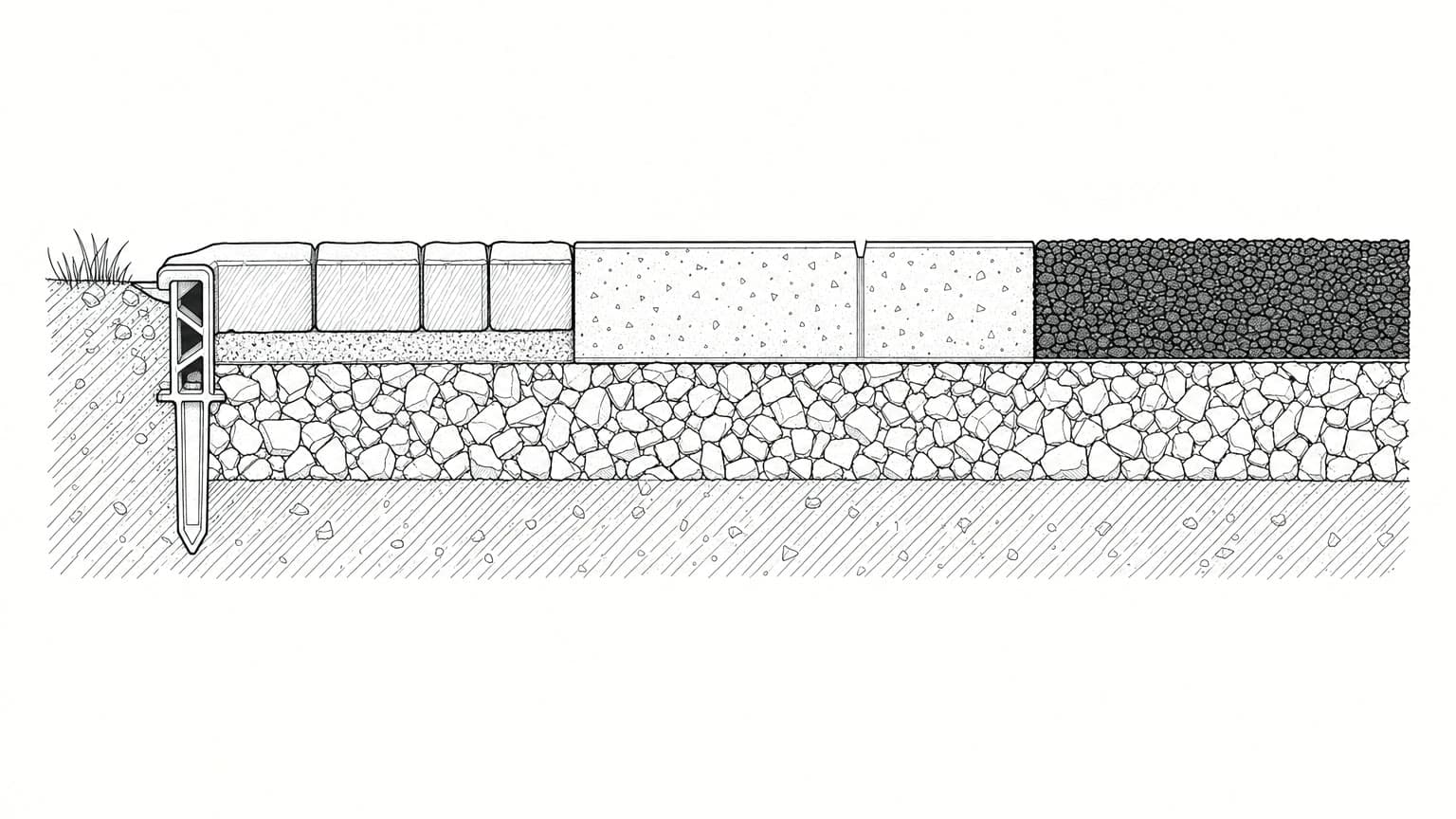
- Asphalt vs. concrete vs. paver drivewaysAsphalt is the cheapest to put in and concrete usually lasts longer; pavers cost more but are the easiest to repair.
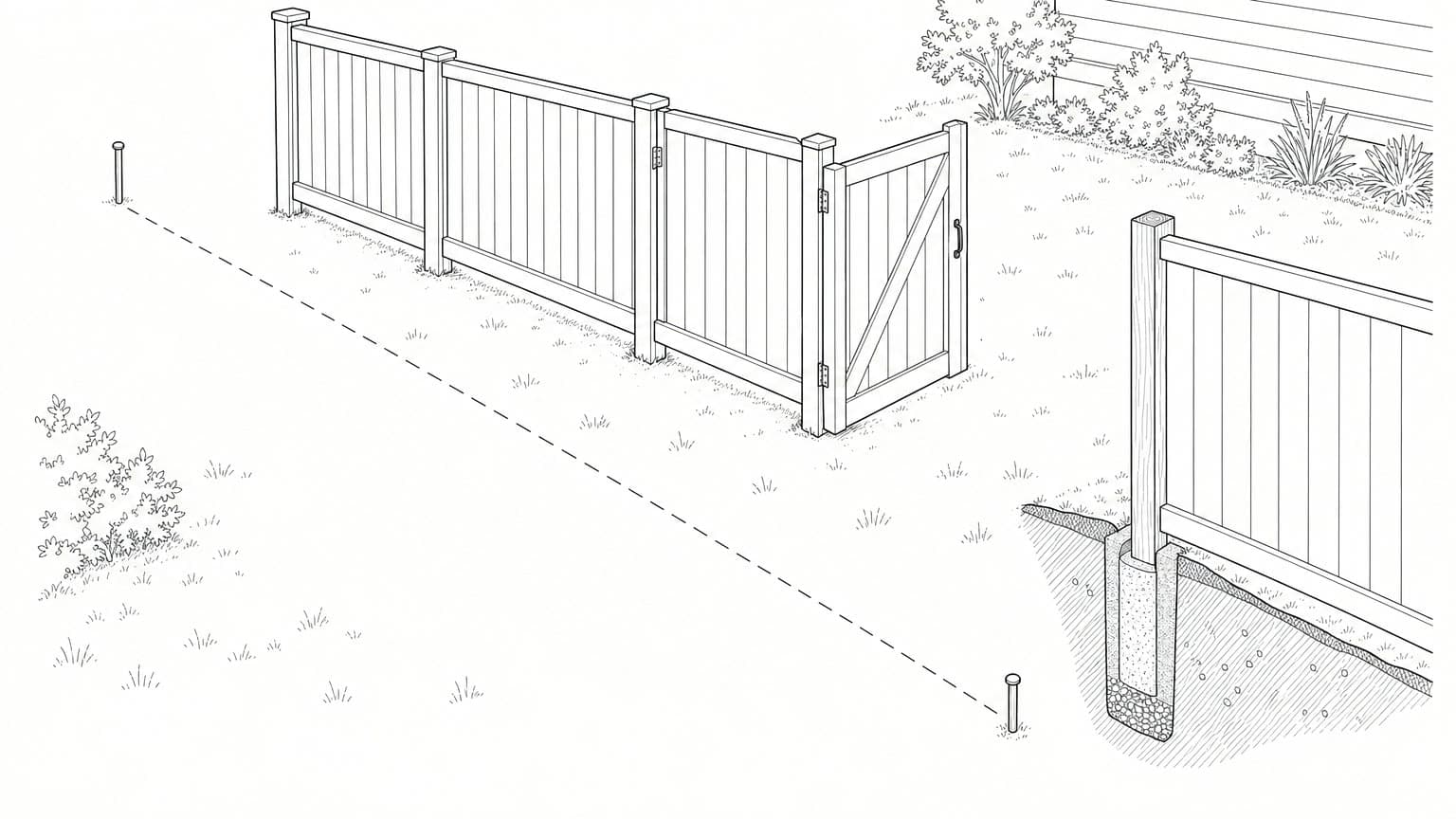
- Building a fence on a property lineOld fences are often built off the property line, so confirm the real line with a survey or the corner pins before you build.
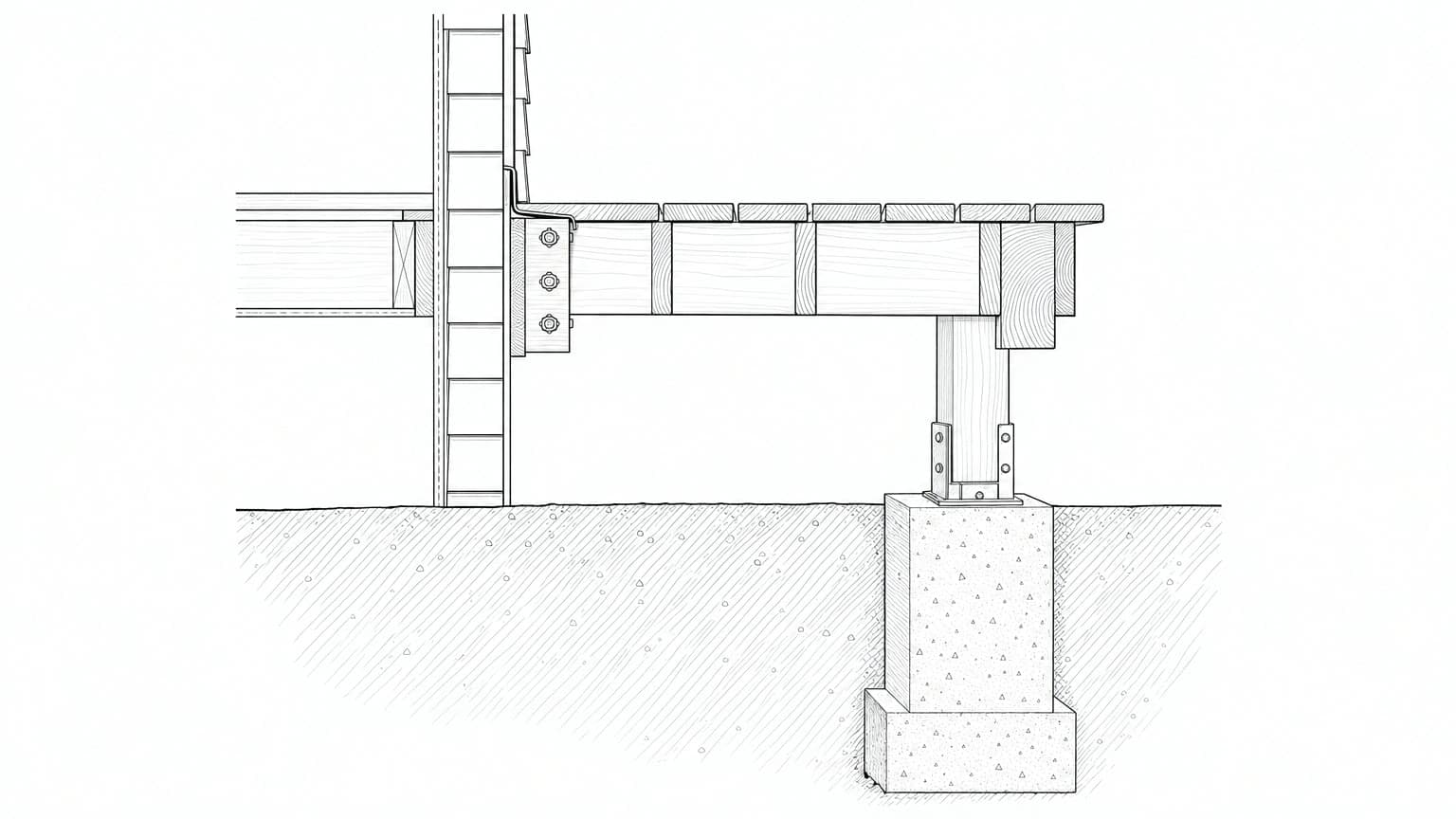
- Composite vs. pressure-treated deckingComposite costs about twice as much to build and needs almost nothing afterwards.
- Pool fence rules: what the inspector checks before you fillIn many places you can't fill a new pool until the fence and gates pass inspection.
- Pavers vs. stamped concrete for a patioStamped concrete gives you one continuous surface for less money, but it will crack somewhere, and a repair always shows.
Hiring and disputes
Comparing bids, contracts and deposits, permits, and what to do when a job goes wrong.
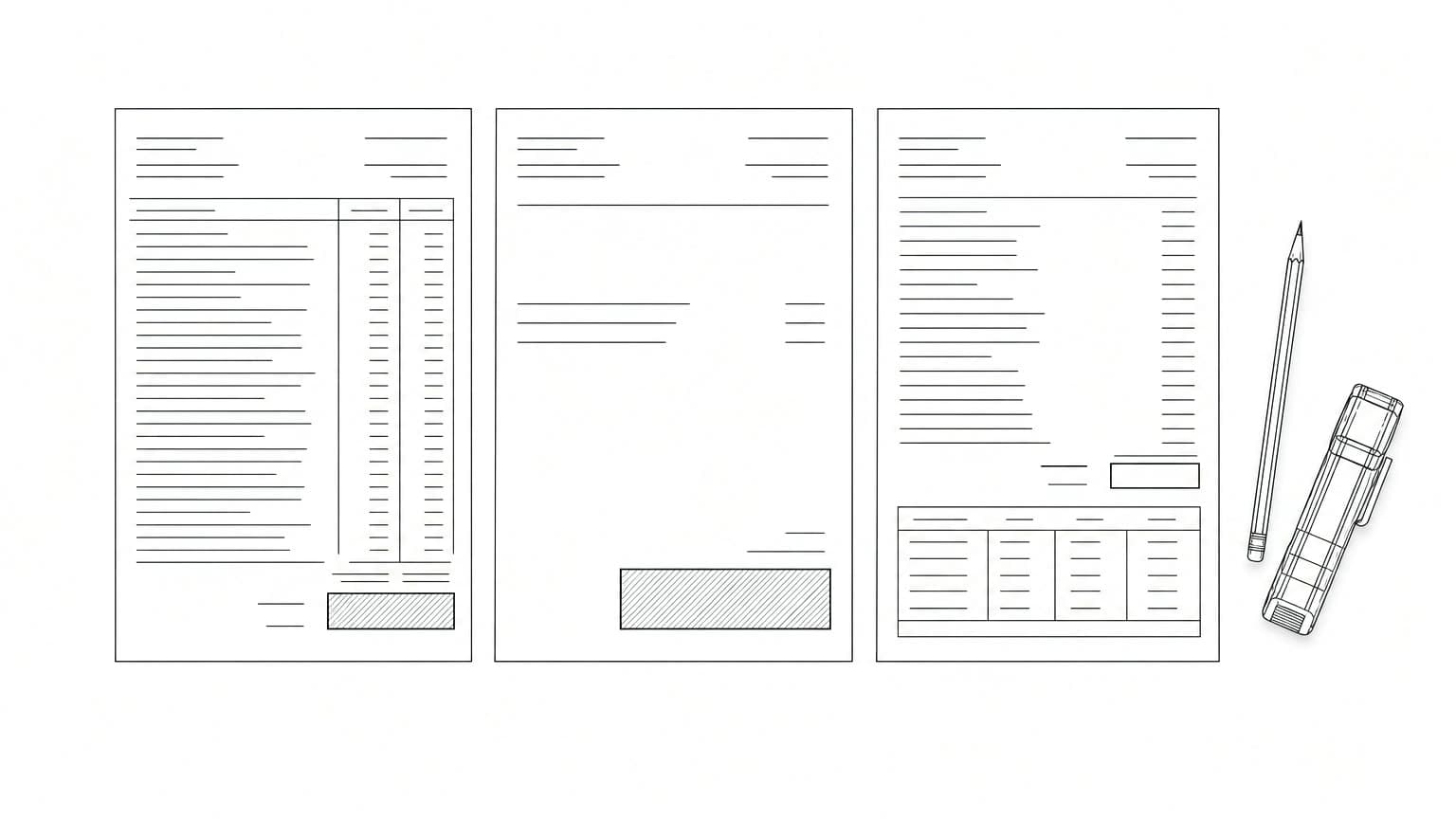 How to compare contractor bidsThree bids for the same job can come in thousands of dollars apart, usually because each contractor priced a slightly different job.
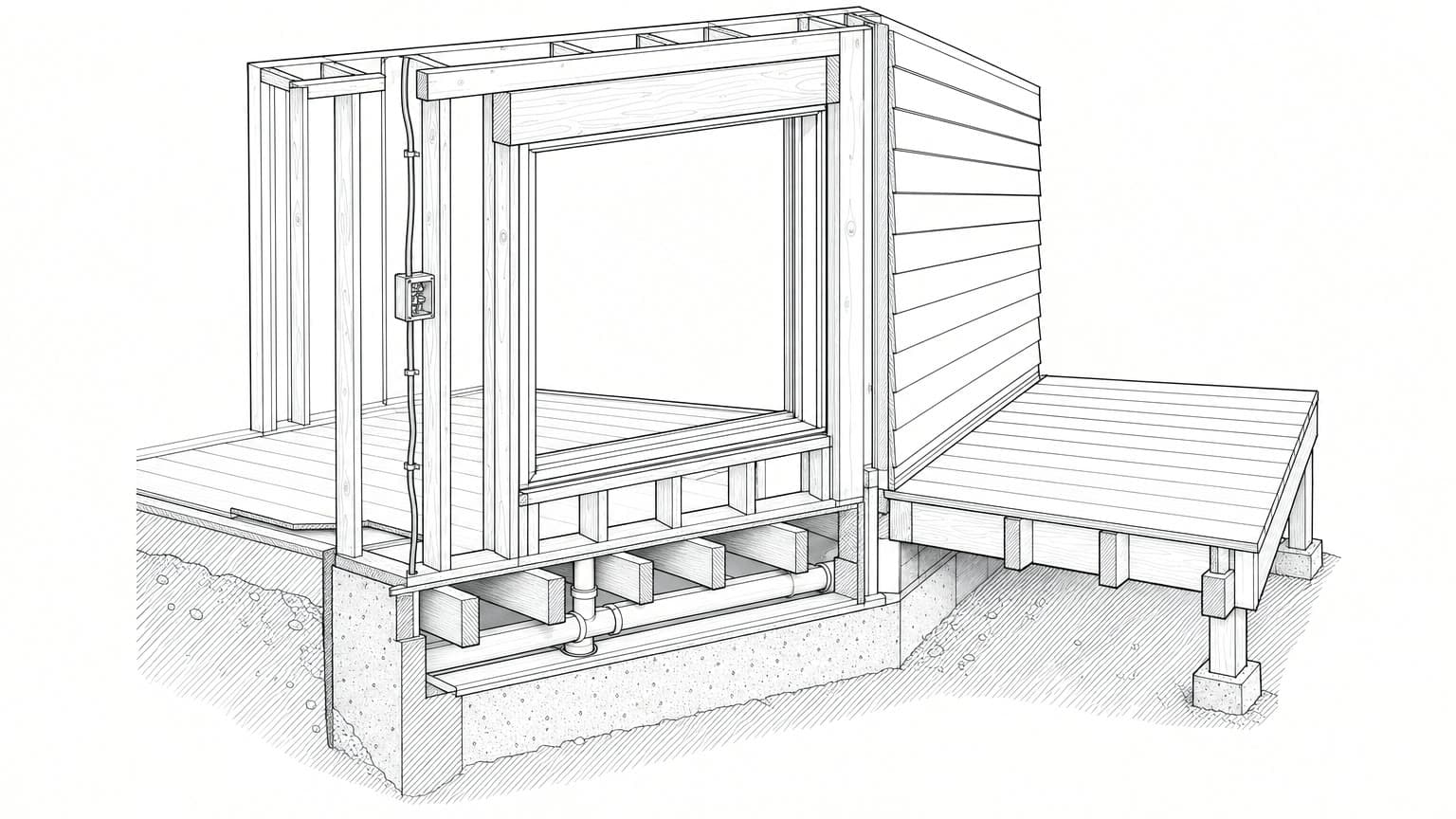 When do you need a building permit?Painting and new flooring almost never need a permit.
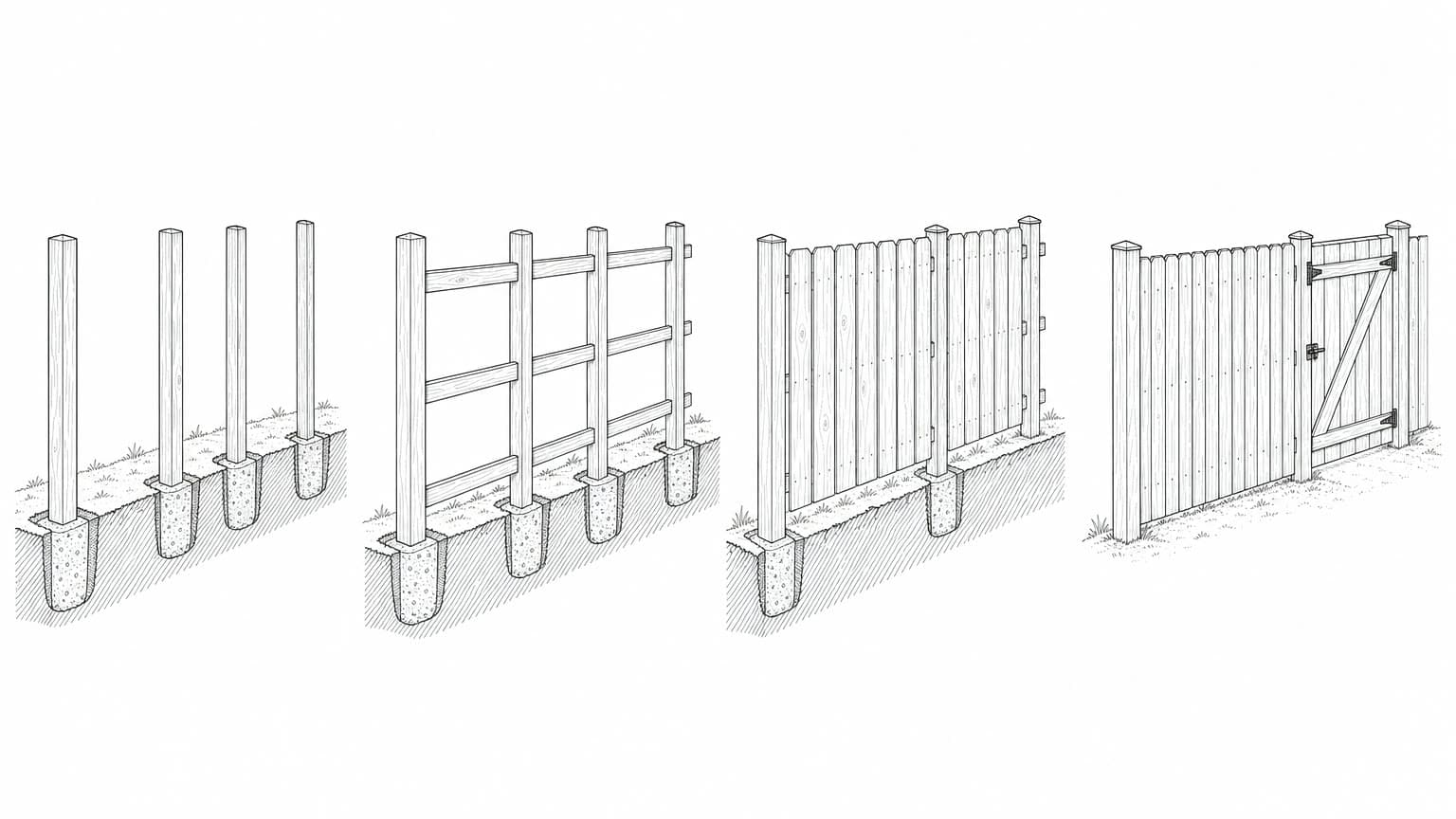 How much deposit should you pay a contractor?A fair deposit is usually 10–20% of the job, and in some states the law sets the limit for you.
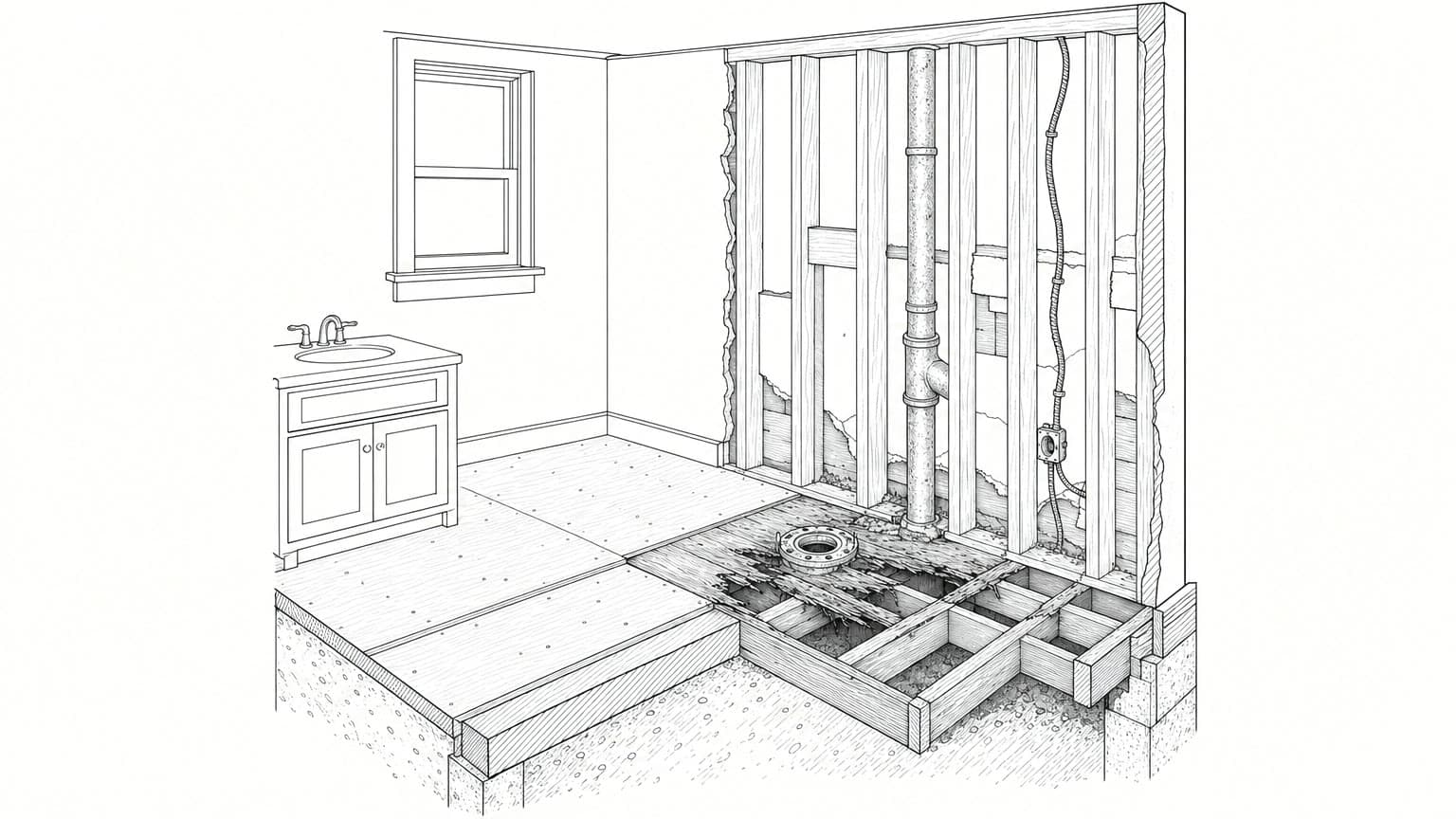 Fixed-price vs. time-and-materials contractsWith a fixed price, the contractor carries the risk of surprises and charges you for it.
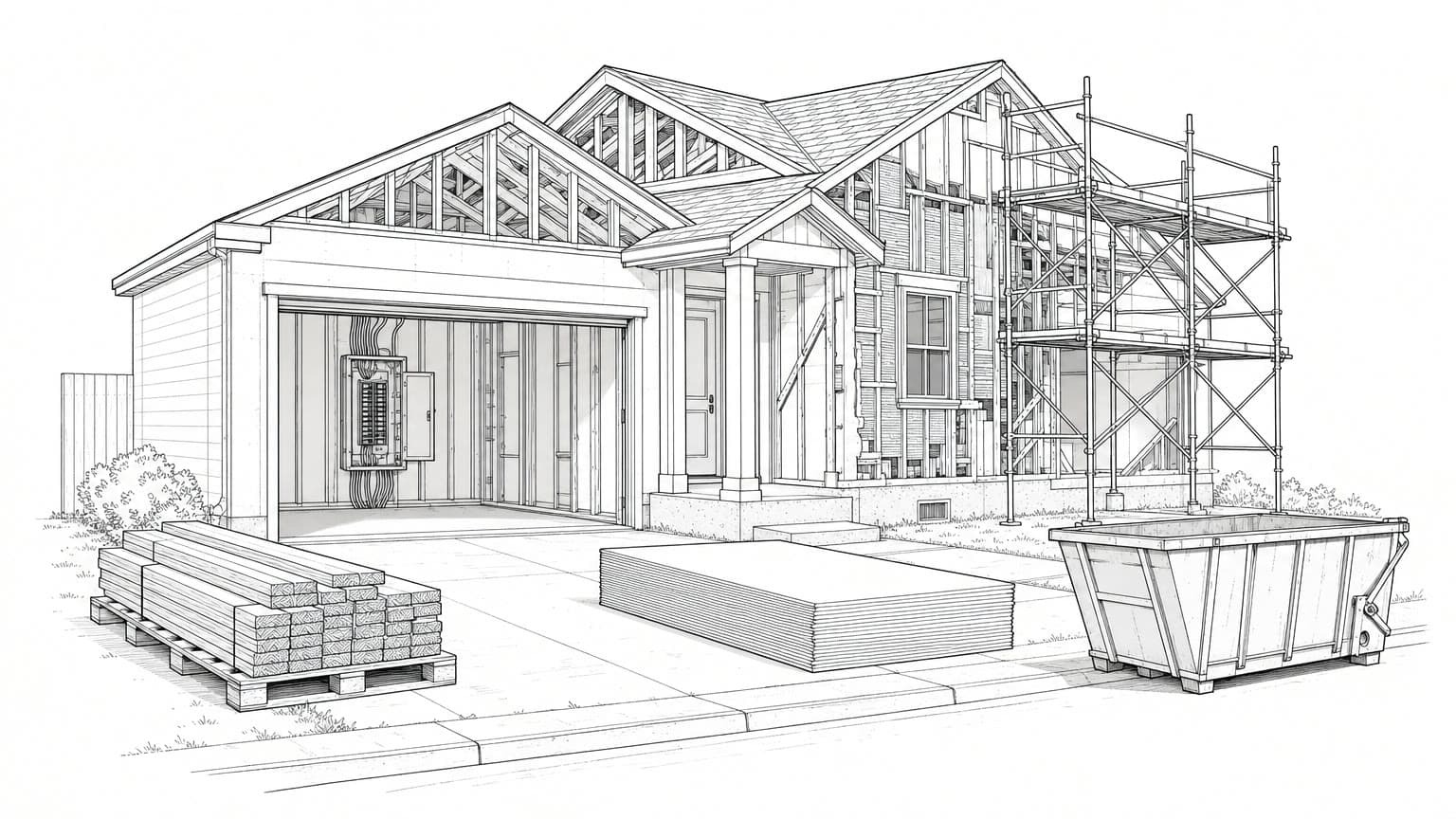 Can a subcontractor put a lien on your house?Yes.
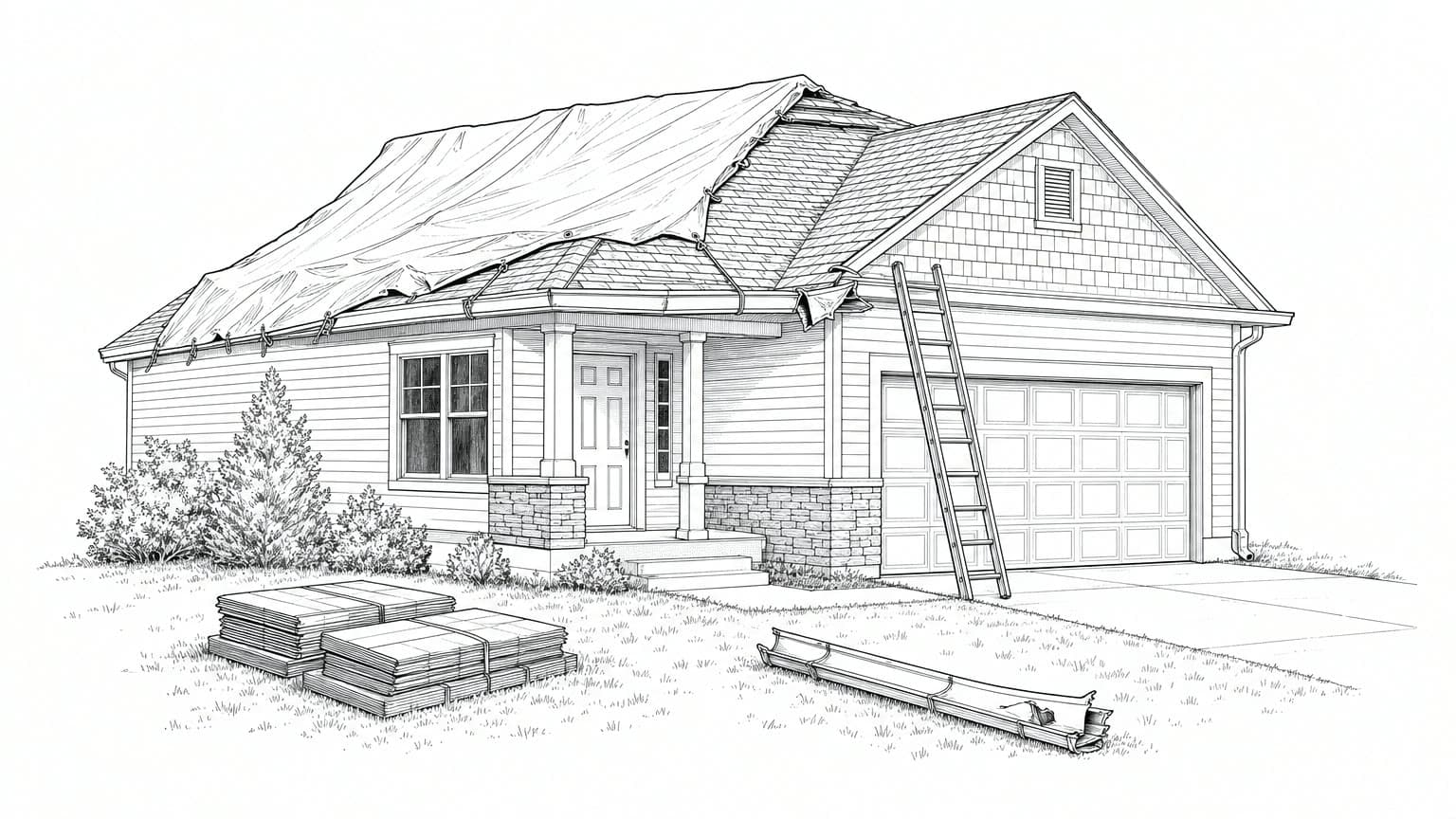 Warning signs of a renovation scamMost renovation scams follow the same pattern: a knock at the door, pressure to decide today, a demand for cash, and a price that only makes sense if the work never gets finished.
 Questions to ask a contractor before you hire themEvery contractor will say yes when you ask about a licence and insurance.
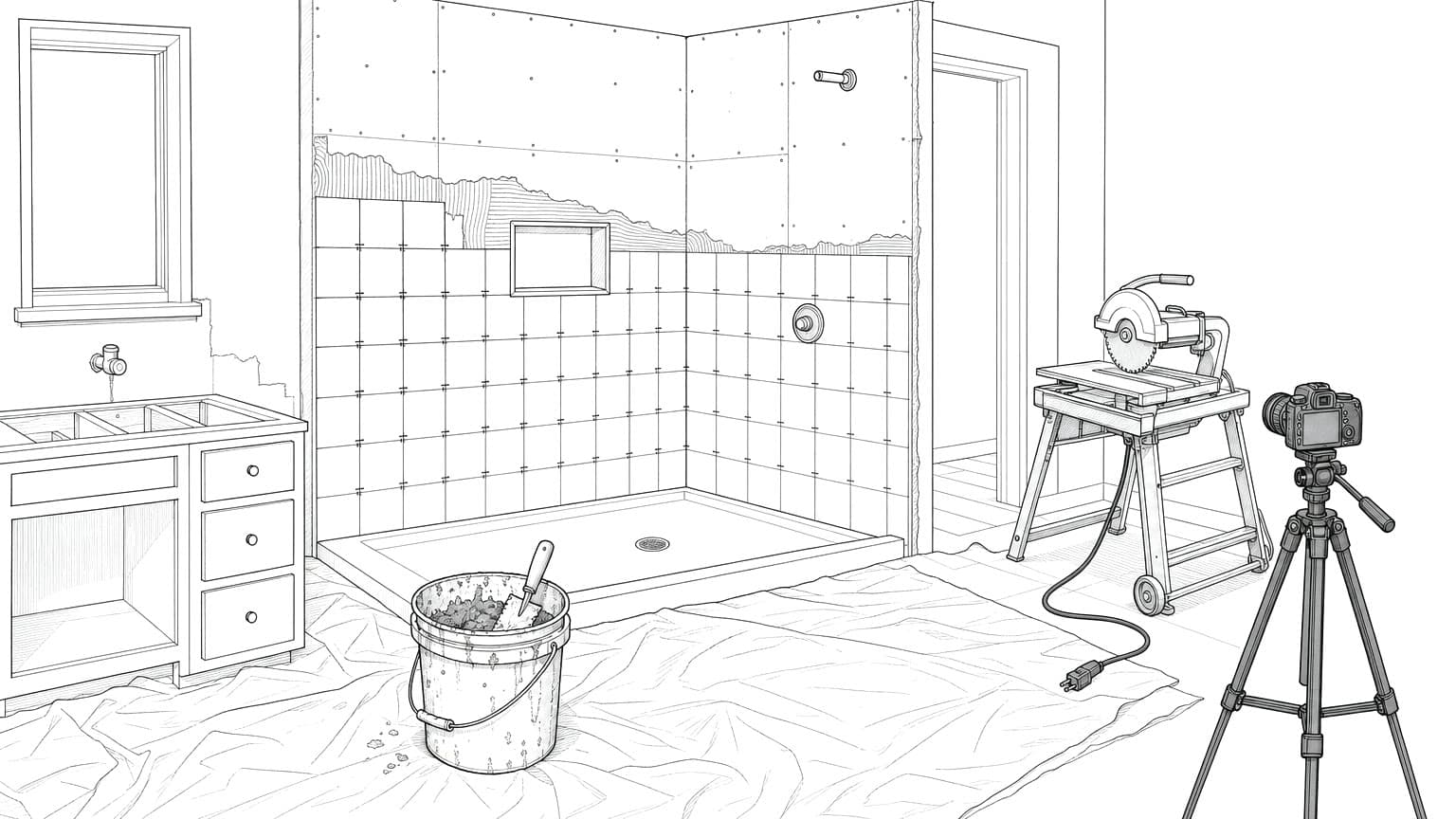 How to fire a contractorFiring a contractor the wrong way can turn a bad renovation into a lawsuit against you.
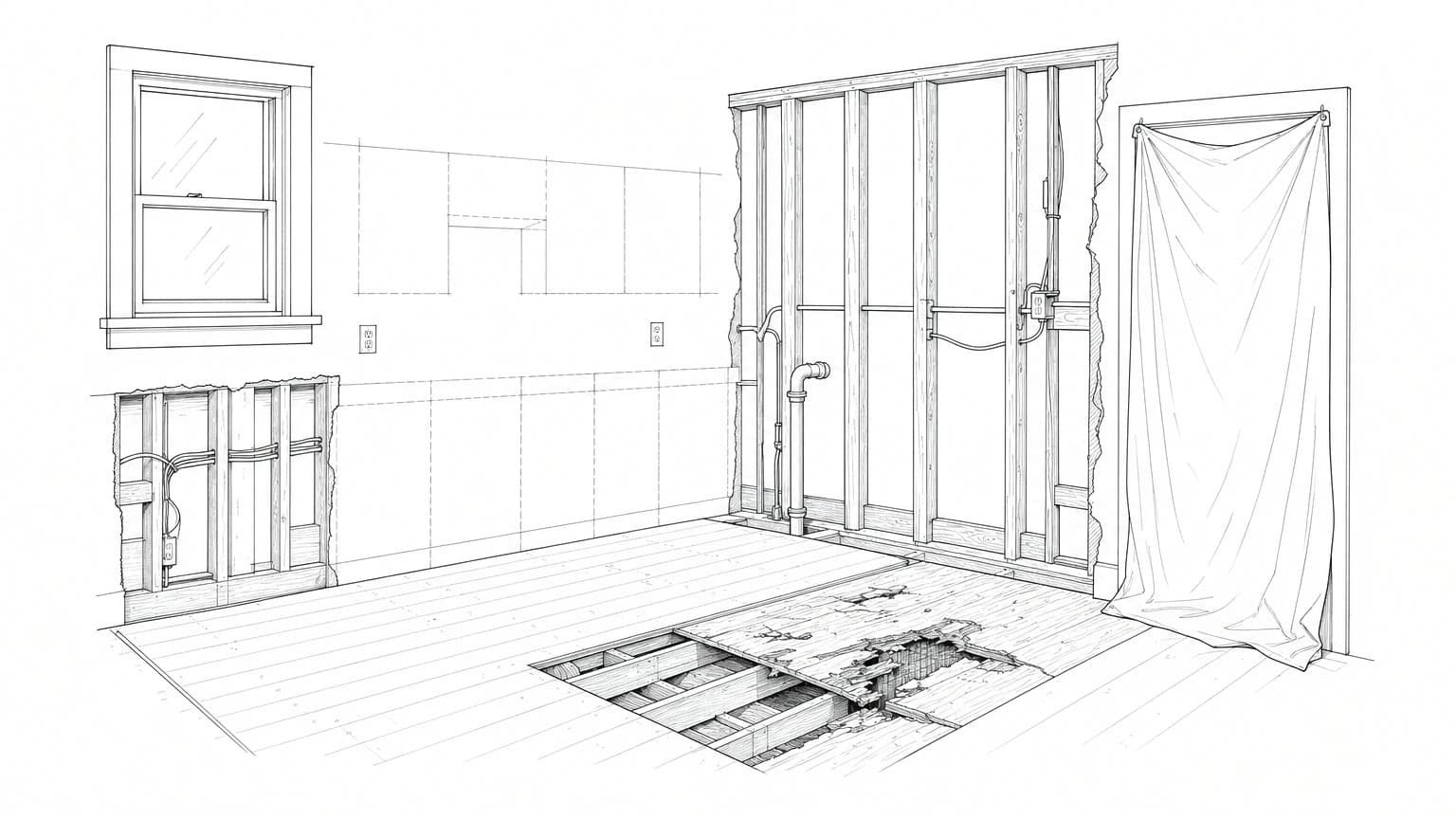 How to avoid scope creep and surprise change ordersMost change orders come from decisions nobody made when the job was quoted, which then get priced mid-project by the only contractor on site.
How we write these
Every guide is written from our 2026 price book and the current building code, and reviewed each quarter. Spot something wrong? Email support@modelquoter.com and it gets fixed.
Price your own project.
Take one photo. We draw the project on your home and price every part of it. Free, with no sign-up to start.