How to fire a contractor
Firing a contractor the wrong way can turn a bad renovation into a lawsuit against you. Document the site, give written notice, let the cure period in your contract run out, and only then end the contract in writing.
ModelQuoter EditorialPublished Aug 12, 2026Reviewed September 2026
Applies to: US and Canada. Your right to end the contract comes from the contract first. Consumer protection and lien laws sit behind it.
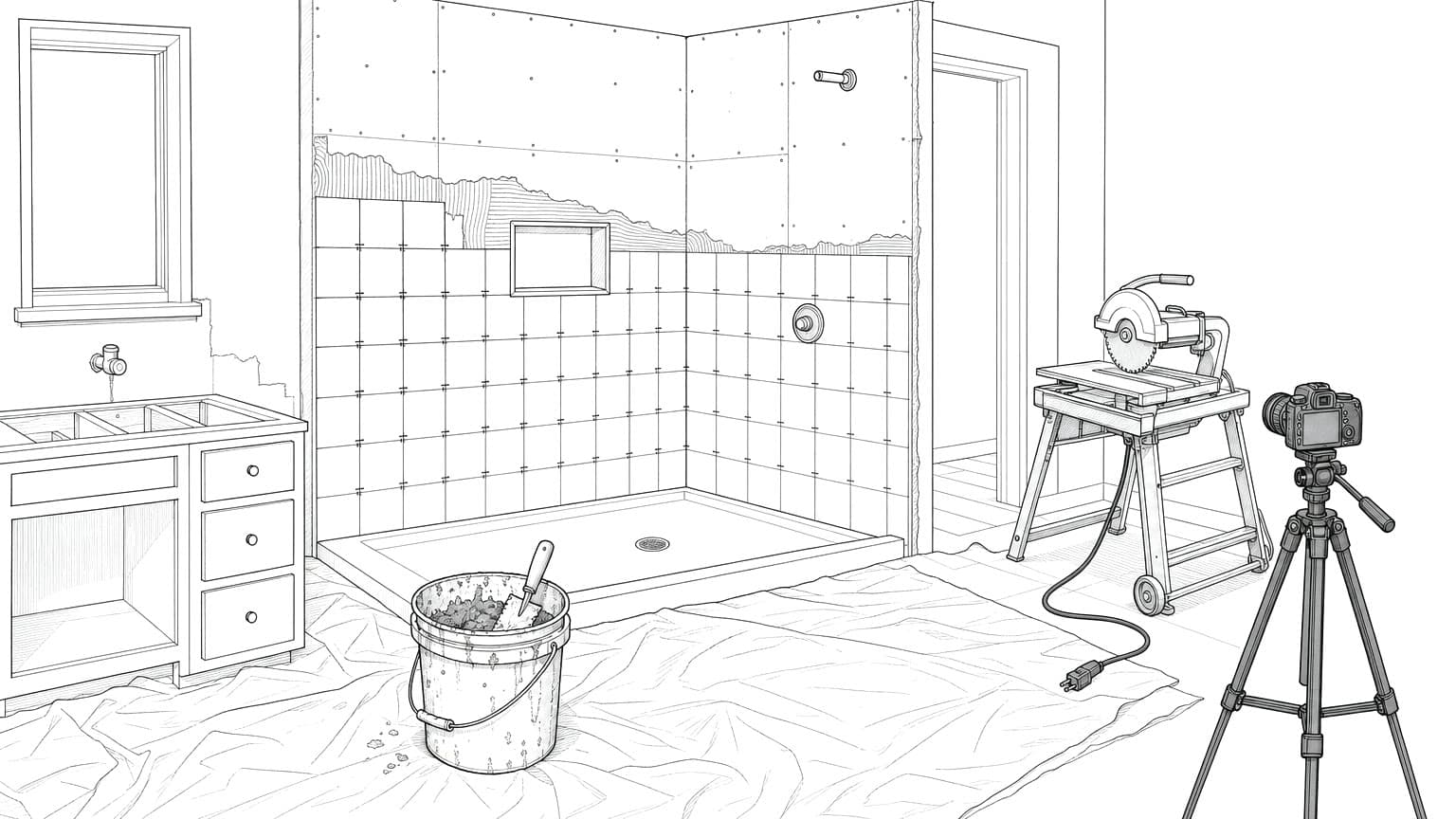
- Record exactly where the work stopped.
- Photograph materials on site and their condition.
- Note whose tools and equipment are still there.
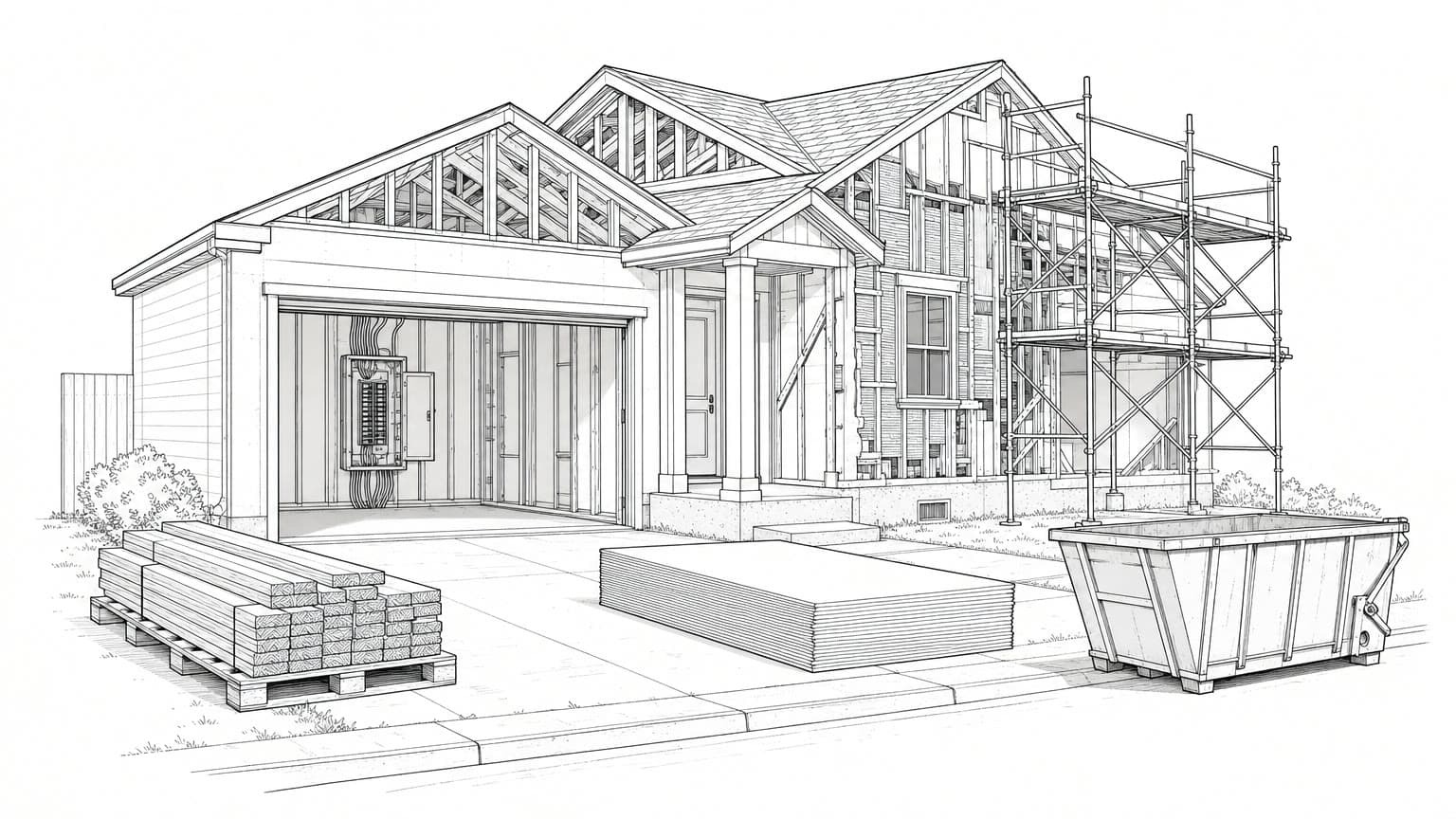
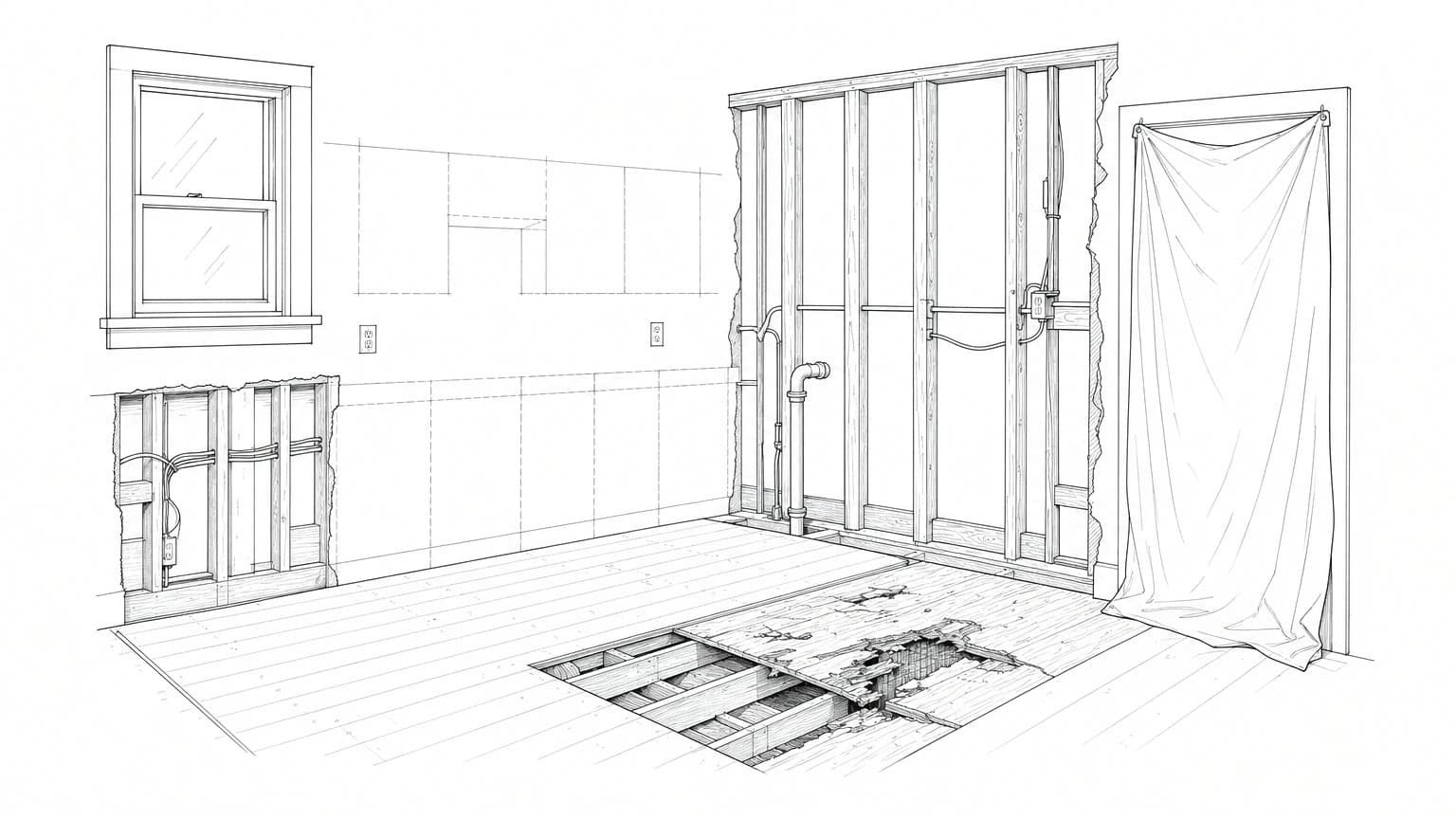
- Take dated photos and video of every room before you give written notice.
Is it time?
Replacing a contractor partway through is expensive and slow. The new contractor charges a premium to fix someone else's work, inherits their mistakes, and fits you in behind their existing jobs. It's often the right call, but it's almost never the cheap one, so it's worth sorting the problems that justify it from the ones that don't.
| Usually fixable | Usually a reason to end it |
|---|---|
| Slow progress with a reason you can check | They've left the site and don't return calls |
| Poor communication | Work that fails inspection again and again |
| One bad piece of work they agree to redo | They refuse to fix defective work |
| A disagreement over a change order | Demands for money ahead of schedule, with no progress |
| Delays caused by material lead times | No licence or insurance, or coverage that has lapsed |
| Friction with one crew member | Subcontractors telling you they haven't been paid |
Read your contract first
Losing patience with a contractor and a contractor breaking the contract are two different things. Both are real reasons to end the relationship, but they have very different consequences, and your contract usually treats them differently.
| Reason | What it means | What you'll owe |
|---|---|---|
| Termination for cause | A clear breach, such as walking off the job, defective work, missed milestones, or no licence or insurance | The value of the work done properly, minus your damages |
| Termination for convenience | You've changed your mind, if the contract allows it | The work done, plus any fee or wind-down cost the contract sets |
| Walking away with no basis | Stopping payment or locking them out without notice | You may become the one in breach, and owe them their lost profit |
The steps, in order
- 1.
Document the site first
Take photos and video of everything, room by room, including work that was never started. Get close-ups of defects and wider shots that show where they are. Do this before you send anything, because the site can change afterwards.
- 2.
Get an independent assessment
Ask an engineer, a building inspector or another contractor for a written report on what's finished, what's defective and what it will cost to fix. This report ends most disputes before they get going.
- 3.
Send a written notice of default
List the specific problems, the contract clauses they break, and the cure period the contract gives. Send it by email and by a delivery method you can track. Don't do it over the phone.
- 4.
Let the cure period run
Stick to it exactly. If they start fixing things, document that too. If the period ends and nothing is fixed, your position is solid.
- 5.
End the contract in writing, then secure the site
State the date the termination takes effect, ask for the keys and any materials you've paid for, and give them a date to remove their equipment. Change the locks after the termination takes effect, not before.
- 6.
Account for the money both ways
Write down what you've paid, the value of the work done properly, and what it'll cost you to finish and repair. A clear accounting also makes a negotiated settlement much easier to reach.
After you've ended it
Expect a lien. A contractor you've fired will often register a claim for what they say you owe them. That's a normal move and doesn't mean you did something wrong, but the deadlines are short, so get legal advice quickly.
- Don't release the holdback. It's the money that pays subcontractors' claims and the cost of finishing the job.
- Confirm what each subcontractor has actually been paid. They can put a lien on your house regardless of your dispute with the general contractor.
- Tell the building department if the permit is in the contractor's name. It has to be transferred before another contractor can carry on.
- Tell your insurer if the house is open to the weather.
- Have the new contractor price the work from the independent report, so someone neutral defines what needs fixing.
A negotiated exit is usually the cheapest outcome. With a mutual release, they stop work, you pay an agreed amount, and both sides drop their claims. For almost every home renovation dispute, that's faster and cheaper than going to court. Keep building your file properly anyway, because good documentation is what gets you a sensible settlement.
Money, locks and missing contracts
Can I just stop paying?
If you hold back payment without following the notice process in the contract, you can end up in breach yourself, even if their work really is defective. Send the written notice first. It turns a payment argument into a documented default.
Do I still owe them for unfinished work?
Usually you owe the value of the work done properly, minus the cost of fixing defective work and finishing the rest. That calculation is what the argument is about, which is why the independent report matters so much.
What if we never signed a written contract?
You still have a contract. It's just harder to prove. Quotes, invoices, texts and payment records become your record of what was agreed. Document everything even more carefully, and get advice early.
Can I change the locks?
After the termination takes effect, generally yes. Before that, locking out a contractor who has a contractual right to be on site can itself be a breach. Doing things in the right order protects you more than doing them fast.
A clear written scope prevents most contractor disputes. Model your next project to get an itemized scope before you hire.
Model a project