Questions to ask a contractor before you hire them
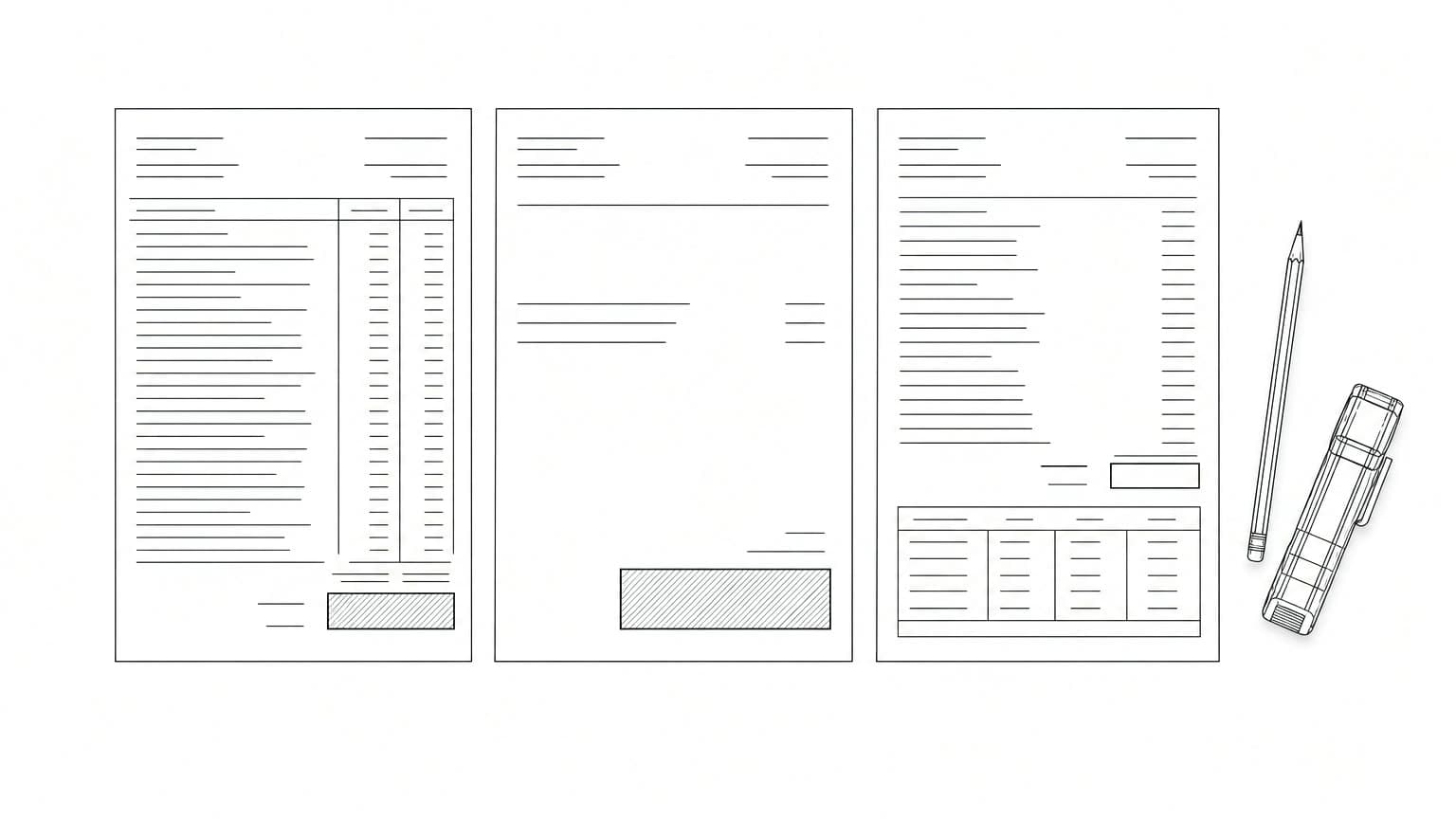
Every contractor will say yes when you ask about a licence and insurance. These ten questions tell you how they actually run a job. Ask all three contractors the same ones and compare the answers.
ModelQuoter EditorialPublished Aug 5, 2026Reviewed September 2026

- Write down each contractor’s answers to the same questions, so you can compare them.
- Notice whether they measure on site or guess.
- Ask which exact materials their price includes.
- Call two or three recent customers before you sign.
At the site visit
- 1.
What's the riskiest part of this job?
This is the best question on the list. A contractor who has thought about your house will name something specific: what might be behind a wall, a drainage problem, a long lead time. If you hear "it's all pretty standard," they either haven't looked or they're managing you.
- 2.
Who will be on site, and who's in charge?
Their own crew or subcontractors? Is there a named lead hand here every day? You want a person you can talk to on site, not a scheduling app.
- 3.
How many other jobs will you be running?
Running a few at once is normal. Running eight with one crew is how a two-week job takes nine weeks. Ask how many, and how they schedule them.
- 4.
Who pulls the permit?
It should almost always be them. If they want you to pull it, ask why. The two usual reasons are that they aren't licensed to, or they'd rather the liability sat with you.
- 5.
How do you handle change orders?
Listen for a real process: a written description, a price split into labour and materials, the effect on the schedule, and both signatures. "We just sort it out as we go" is the answer that costs you money later.
About money, timing and afterwards
- 1.
What does the payment schedule look like?
Ask about the deposit, what triggers each payment, and whether the triggers are finished stages or dates. Some states cap deposits by law, so check any unusually large request against your local rules.
- 2.
Can I have your insurance broker's contact details?
Watch how they react as well as what they say. A contractor with proper coverage has no reason to hesitate, and an emailed certificate proves nothing on its own.
- 3.
How many years is your workmanship warranty?
The manufacturer's warranty covers the product. You're asking what they'll stand behind on their own work, for how long, and whether it's in writing.
- 4.
What could delay this job?
Material lead times, inspection wait times, weather, one specialist subcontractor. A contractor who can name what they depend on has thought about the schedule. One who promises no delays hasn't.
- 5.
Can I talk to two clients from the last six months?
Recent and local. Ask them what went wrong and how it was handled. Something goes wrong on every job, and how it gets handled is what you want to know.
Answers that should make you slow down
| What you hear | What it usually means |
|---|---|
| "Don't worry about a permit for this" | Nobody will inspect the work, and it'll come up when you sell |
| "I'll need half up front" | Your deposit is paying for another job, and it may be more than the law allows |
| "I can do it cheaper for cash" | You're trading away all your protection for a small discount |
| "We'll figure out the extras later" | The extras will be priced when you have no other option |
| "I don't really do written contracts" | There's nothing to enforce, and in many places that's illegal above a low amount |
| "That's just how it's done" | They're dodging the question; ask again, more specifically |
What to do with the answers
Write the answers down the same day. After three site visits you'll remember who you liked, and you won't remember which one noticed the drainage problem. A good salesperson counts on you going by your impression.
- Compare them side by side. If one contractor named a risk the other two missed, that tells you which of them really looked at your house.
- Ask the others about it. Put that risk to the other two directly. Whether they look into it or brush it off is often the most useful thing you'll learn.
- Check the licence and insurance before you pick a favourite. Look up the licence with the body that issues it and call the broker yourself. Both take minutes.
- Put the promises in the contract. A verbal promise about the warranty, the lead hand, the start date or the change-order markup is worth nothing once the job is underway. If it mattered enough to ask about, it belongs in the contract.
If they push back
Is it rude to ask all of this?
No, and good contractors expect it. Someone who gets annoyed by questions about insurance and change orders before the job starts won't get easier to deal with once your kitchen is torn apart.
What if a contractor won't give references?
Privacy is a fair concern, but a contractor with recent local work can usually find two clients willing to talk. A flat refusal, with no history you can check, is a reason to keep looking.
Should I give them a written scope before they quote?
Yes. Giving all three contractors the same written scope and the same photos is the most useful thing you can do. It turns three quotes you can't compare into three you can.
Before you meet contractors, model your project to get a clear scope and an instant, itemized estimate to hand each of them.
Model a project